
Positano
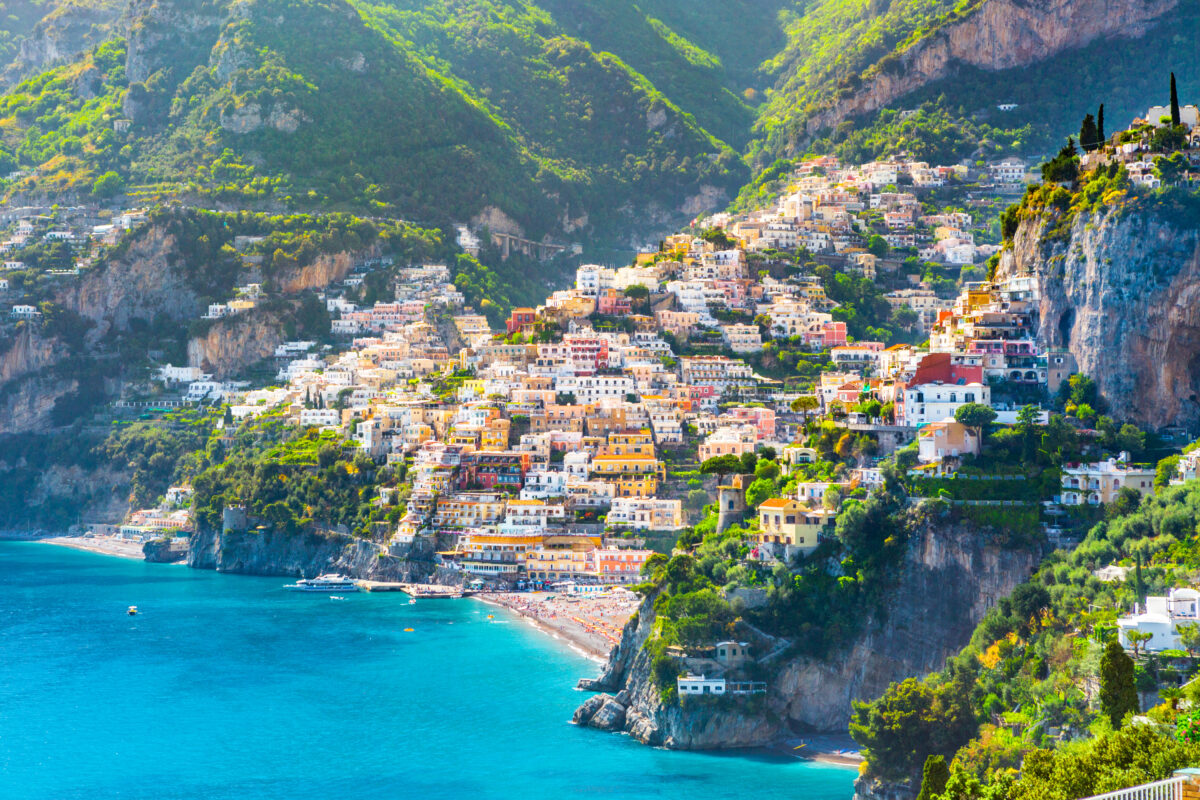
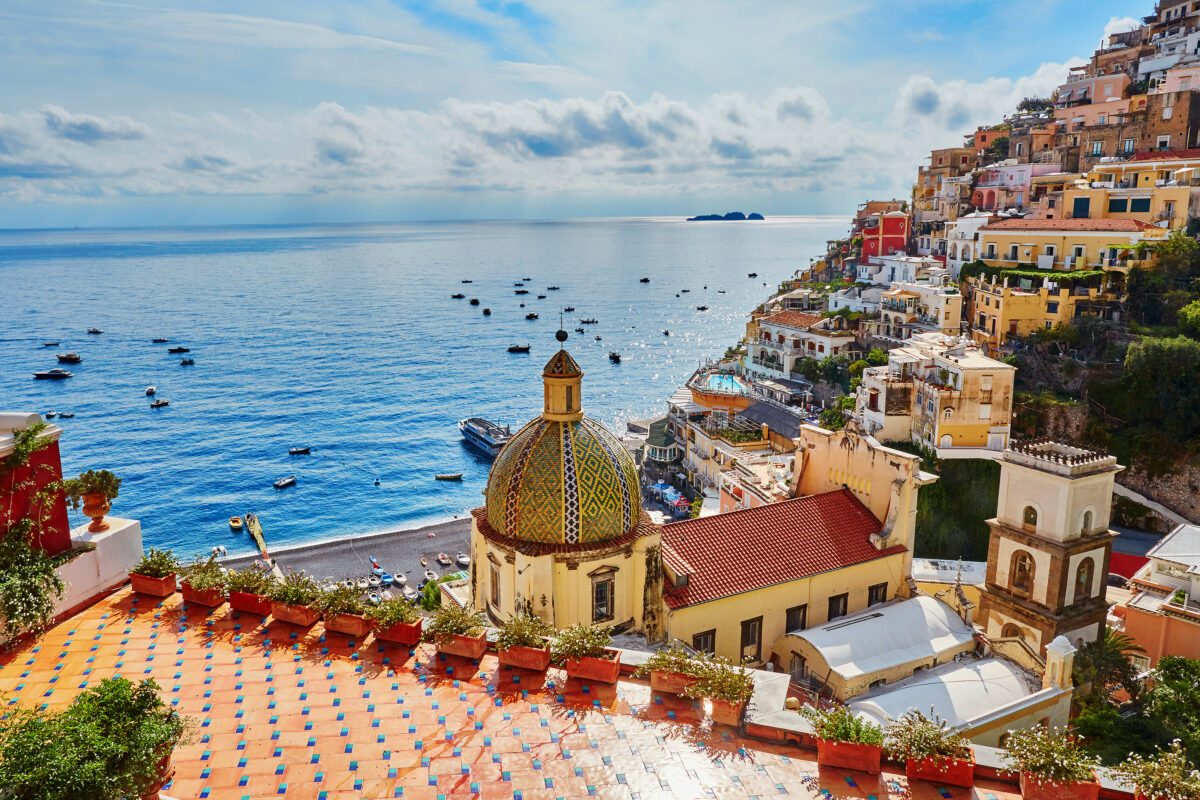
Positano is a vertical town that cascades down the cliffs, a mosaic of vibrant colors against the deep blue backdrop of the Mediterranean.
As you approach by sea or wind your way down the Amalfi Coast’s serpentine roads, the sight of this town—its pastel houses clinging to the steep hillside—takes your breath away. This is a place where every corner holds a picture-perfect view, where beauty and elegance are intertwined in a seamless dance.
The heart of Positano is its beach, Spiaggia Grande, a lively hub where the turquoise waves meet golden sands. Here, the air is filled with the laughter of children, the chatter of sunbathers, and the soft melodies of the sea. Just steps away, the town’s labyrinthine streets beckon with their array of boutiques, each offering unique fashions that blend local craftsmanship with high Italian style. The scent of freshly baked bread and the rich aroma of coffee waft from the cafes, inviting you to pause, relax, and take in the atmosphere.
Positano is more than just a feast for the eyes; it is a place that engages all the senses. The town’s charm lies in its ability to be both sophisticated and laid-back, luxurious and welcoming. Whether you’re savoring a meal of fresh seafood at a cliffside restaurant, exploring the hidden coves along the coastline by boat, or simply enjoying the view from your terrace, Positano offers a slice of paradise that feels both timeless and unique. This is the Amalfi Coast at its most glamorous, yet its warmth and hospitality make every visitor feel like a cherished guest.
Praiano
Praiano is the Amalfi Coast’s best-kept secret, a tranquil haven that offers a serene escape from the bustling energy of its more famous neighbours.
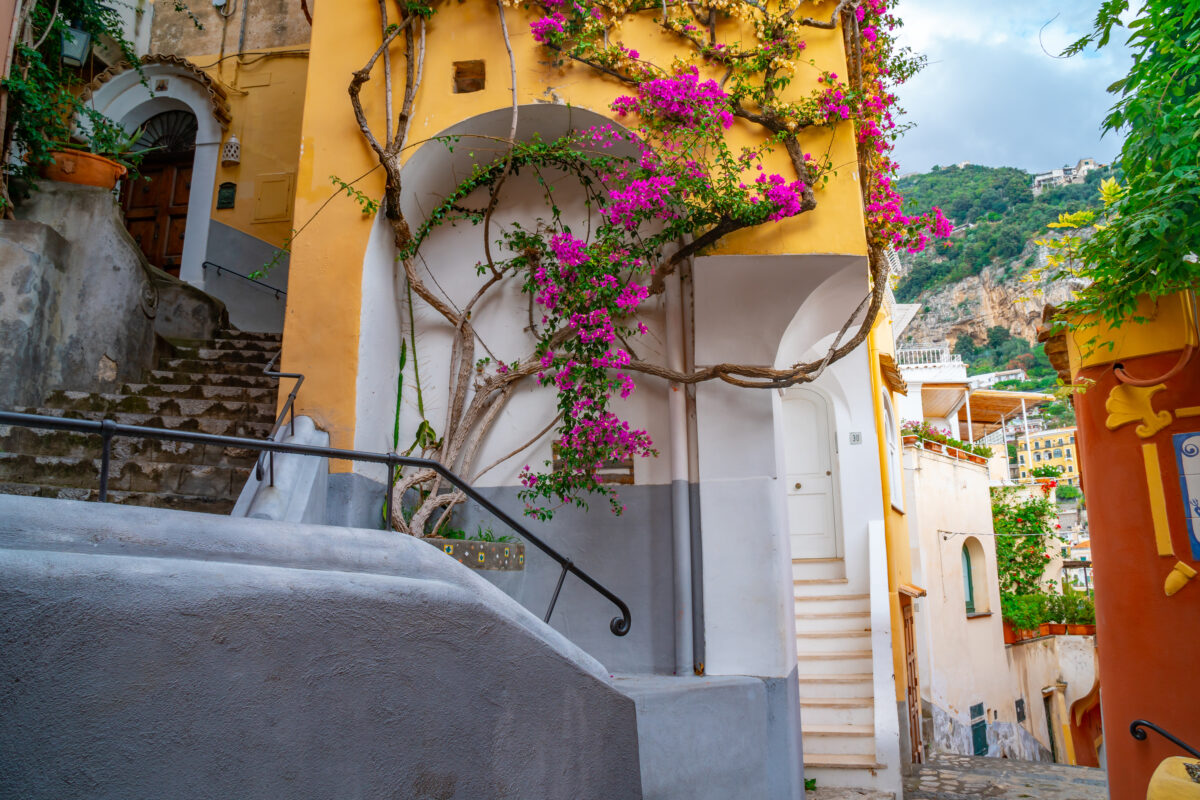
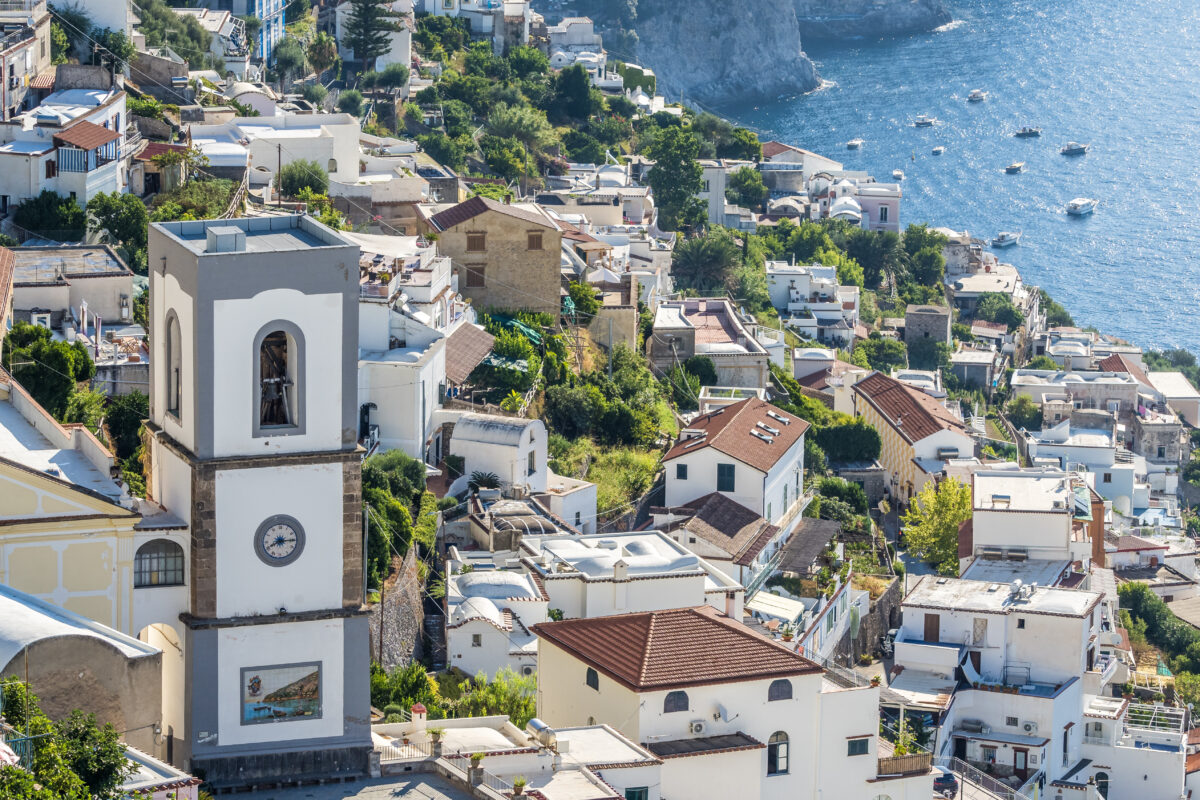
Nestled between Positano and Amalfi, this charming fishing village captivates with its understated beauty, where the rhythms of daily life are dictated by the gentle lapping of the waves and the glow of the setting sun over the Tyrrhenian Sea. Praiano’s whitewashed houses, cascading down the hillside, are framed by lush greenery and the vibrant colors of bougainvillea, creating a picture-perfect Mediterranean scene.
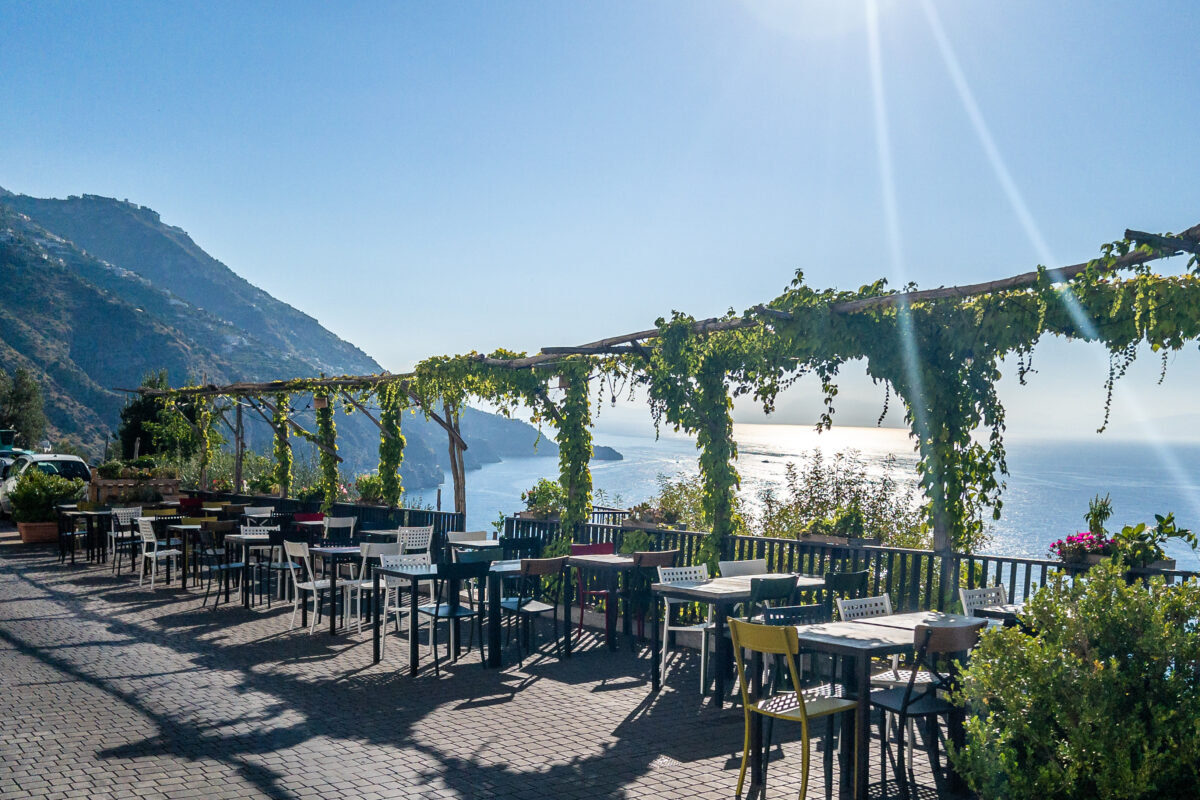
The essence of Praiano lies in its simplicity and authenticity. Here, life moves at a slower pace, allowing you to fully immerse yourself in the beauty of the surroundings. The town’s two main beaches, Marina di Praia and Gavitella, offer the perfect spots to unwind and soak up the sun, with crystal-clear waters that are ideal for swimming or snorkeling. As the sun sets, the view from Gavitella Beach is nothing short of magical, with the island of Capri visible in the distance, bathed in the golden glow of twilight.
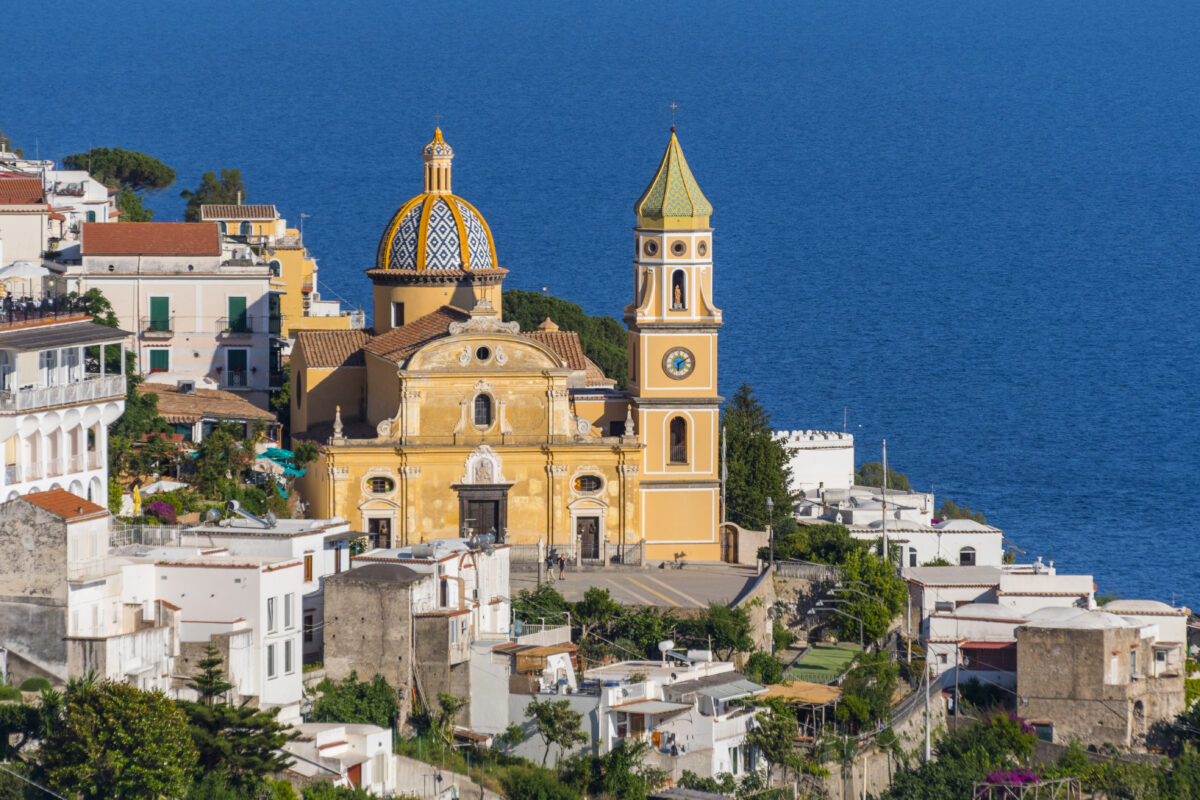
Praiano is a place where tradition and tranquility reign supreme. The Church of San Gennaro, with its stunning majolica-tiled dome, stands as a testament to the town’s rich history and deep-rooted faith. Stroll through the narrow, winding streets, and you’ll discover local artisans crafting handmade goods, from intricate ceramics to delicate lacework, each piece telling a story of the town’s cultural heritage. Whether you’re enjoying a leisurely meal of fresh seafood at a family-run trattoria or hiking along the Path of the Gods for breathtaking coastal views, Praiano invites you to experience the Amalfi Coast in its purest, most unspoiled form.
Sorrento
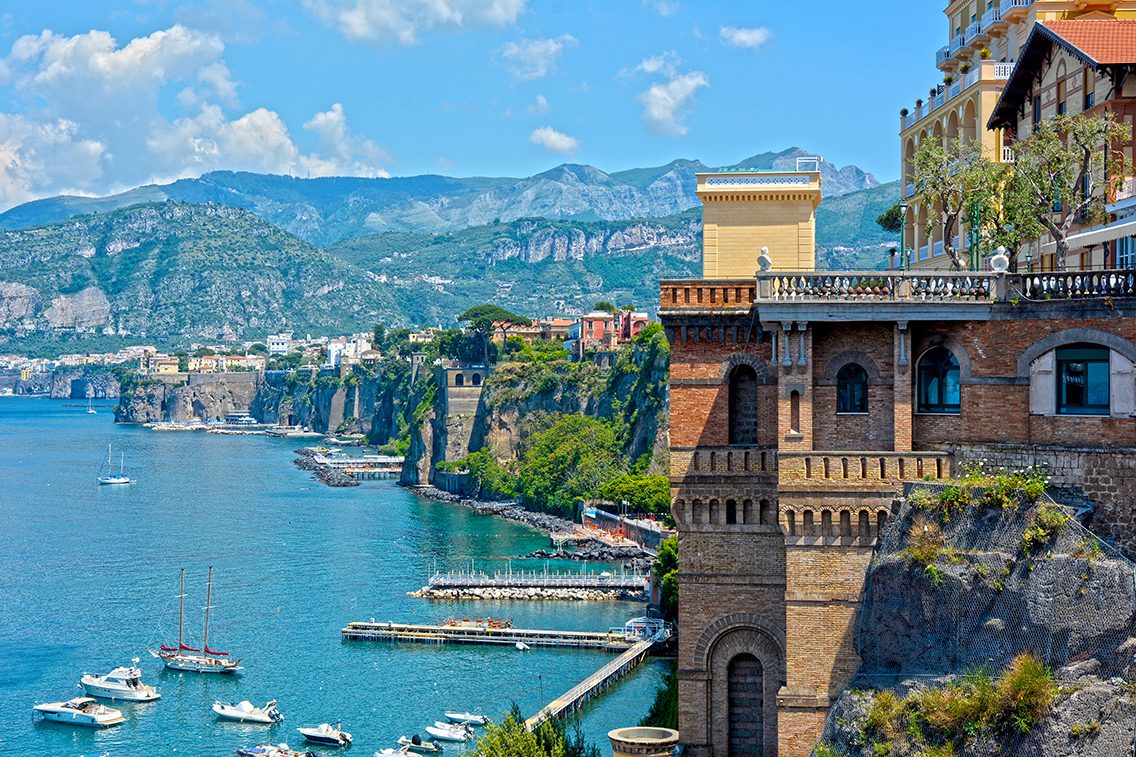
Perched high above the Bay of Naples, Sorrento is a town of timeless elegance, where sweeping sea views meet a relaxed, welcoming rhythm of life. Unlike the vertical villages of the Amalfi Coast, Sorrento unfolds gracefully across clifftops, offering wide promenades, sunlit piazzas, and breathtaking vistas stretching toward Mount Vesuvius.
As you arrive, the town reveals itself slowly — lemon trees heavy with fruit, historic palazzi tucked behind ivy-covered walls, and glimpses of the deep blue sea far below. Sorrento’s historic centre is a charming maze of narrow lanes and hidden courtyards, where family-run shops showcase inlaid woodwork, local ceramics, and artisanal products crafted using traditions passed down through generations. The scent of citrus lingers in the air, a reminder that lemons are at the heart of Sorrento’s identity.
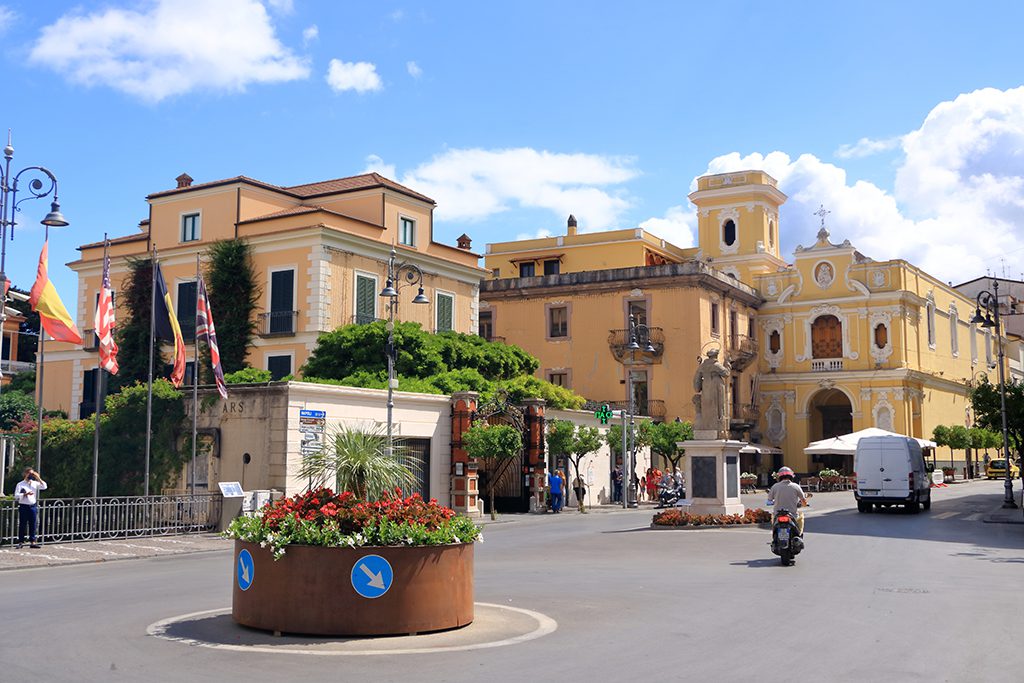
Life here moves at an easy pace. Locals gather in the main piazza for an espresso, while visitors stroll along the Villa Comunale gardens, stopping to admire the panoramic views over the coastline and islands beyond. Below the cliffs, small beach clubs and hidden swimming platforms invite you to cool off in the clear Mediterranean waters, accessed by winding paths and historic lifts carved into the rock.
Sorrento is a place where culture, cuisine, and everyday Italian life come together effortlessly. From long lunches featuring simple, seasonal dishes to evenings filled with conversation and laughter, the town offers a sense of authenticity that feels both refined and deeply rooted. Elegant yet unpretentious, Sorrento is the perfect gateway to the Amalfi Coast — a place that welcomes you in and makes you feel instantly at home.
Amalfi
Amalfi is the heart and soul of the Amalfi Coast, a town steeped in history and brimming with charm.
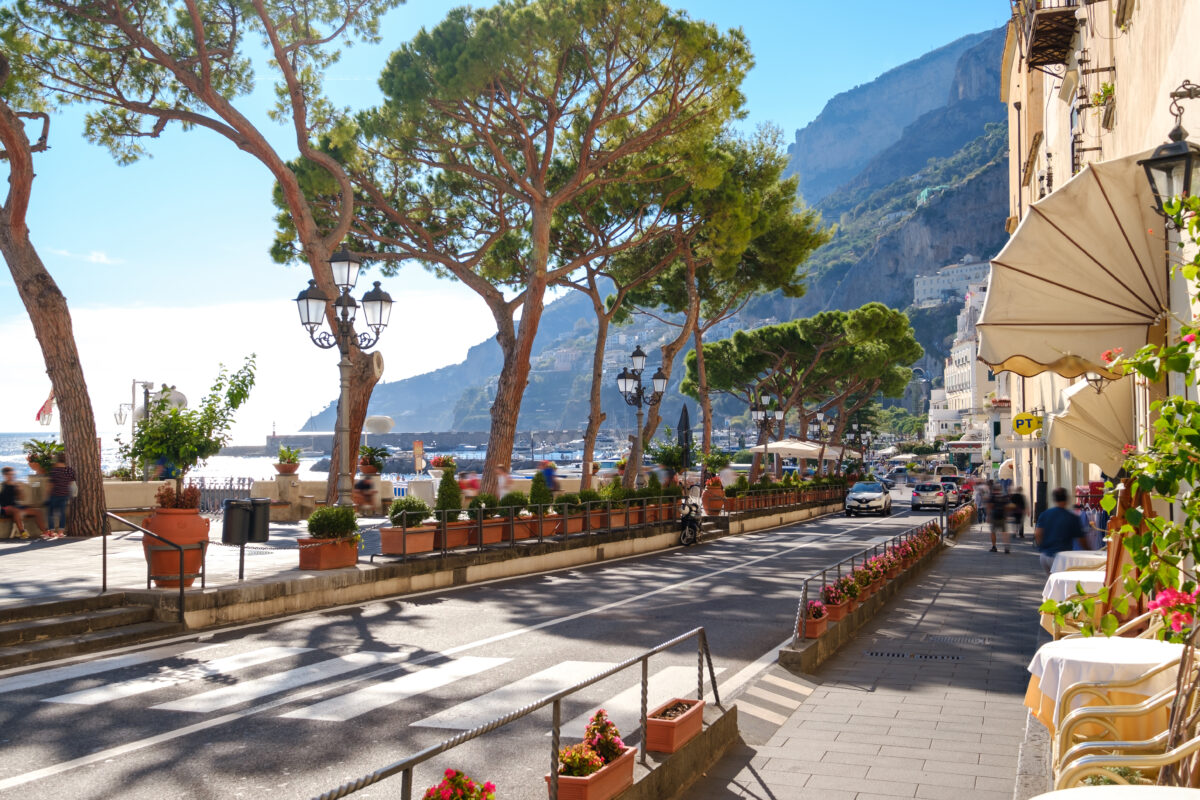
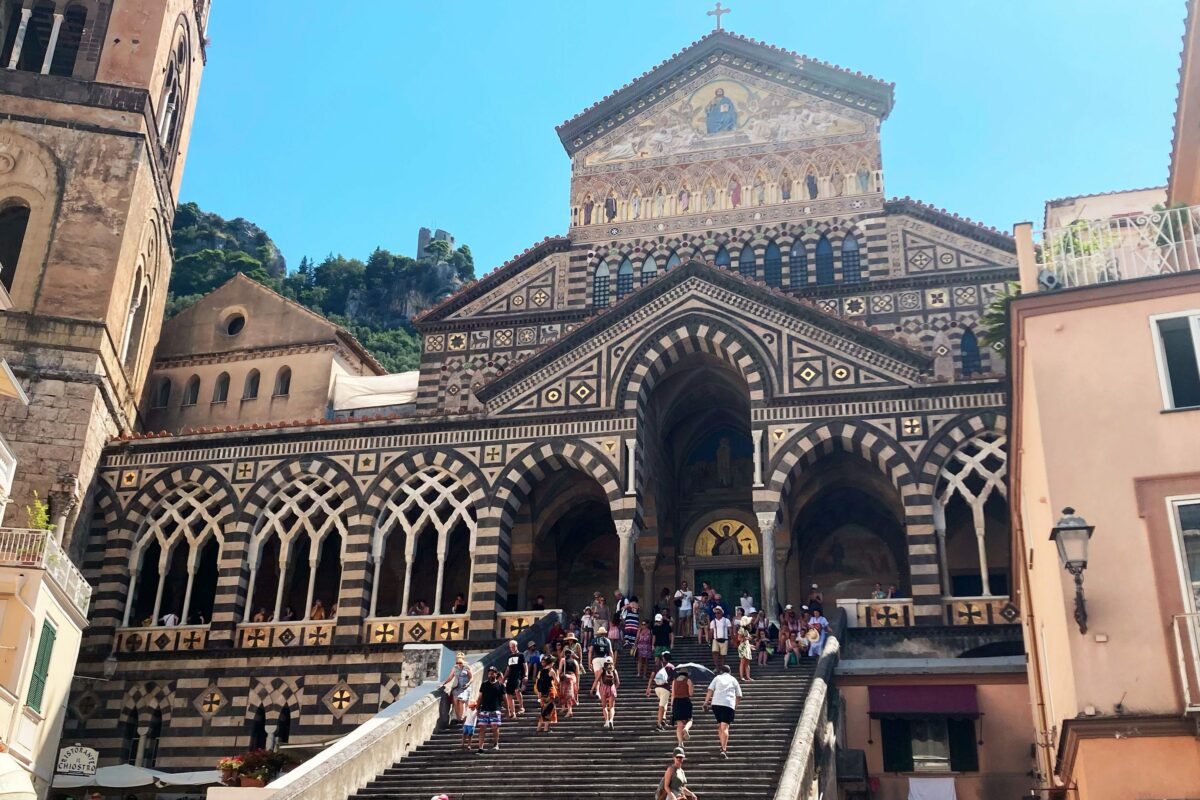
As the namesake of this stunning stretch of coastline, Amalfi offers a rich tapestry of cultural heritage, natural beauty, and vibrant life. The town unfolds like a storybook, with its sun-drenched piazzas, winding alleyways, and the iconic Duomo di Sant’Andrea standing proudly as a testament to its glorious past. This cathedral, with its striking Arab-Norman architecture and majestic staircase, is a centerpiece of the town, drawing visitors with its awe-inspiring presence and intricate mosaics.
Amalfi’s maritime history is deeply woven into the fabric of the town. Once a powerful maritime republic, Amalfi was a gateway between the East and the West, a history reflected in its grand architecture and the treasures housed in the nearby Museo della Carta, dedicated to the town’s centuries-old tradition of paper-making. A stroll along the harbor offers a glimpse of this seafaring legacy, with fishing boats bobbing gently in the azure waters, and the scent of saltwater mingling with the aroma of freshly caught seafood.
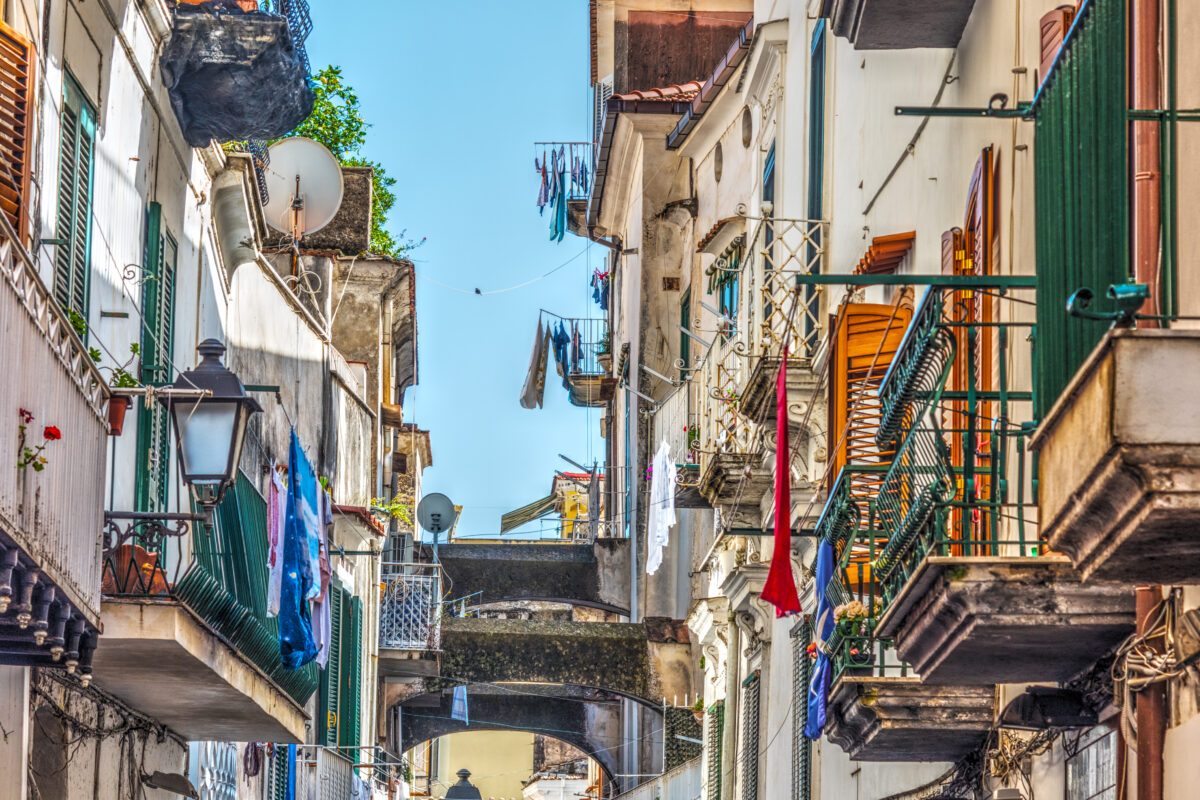
The town’s beauty is matched only by its warmth and hospitality. Amalfi’s narrow streets are lined with charming shops selling local delicacies, handmade ceramics, and the town’s famous limoncello, crafted from the fragrant lemons that grow in abundance on the terraced hillsides. Every corner of Amalfi invites you to pause and savor the moment, whether it’s sipping an espresso in the Piazza del Duomo, exploring the ancient cloisters of the Chiostro del Paradiso, or simply watching the world go by from a sun-drenched terrace.
Amalfi is more than just a destination; it’s an experience that captures the essence of the Italian Dolce Vita. From the sun-kissed beaches to the cool, shaded lemon groves, from the echoes of ancient history to the vibrant present, Amalfi offers a perfect blend of relaxation, culture, and adventure. It’s a place where every visitor can find their own piece of paradise, whether they seek the thrill of discovery or the joy of simply being in one of the world’s most beautiful settings.
Ravello
Ravello is a jewel in the crown of the Amalfi Coast, a town that has long been a retreat for artists, writers, and musicians drawn to its breathtaking beauty and serene atmosphere.
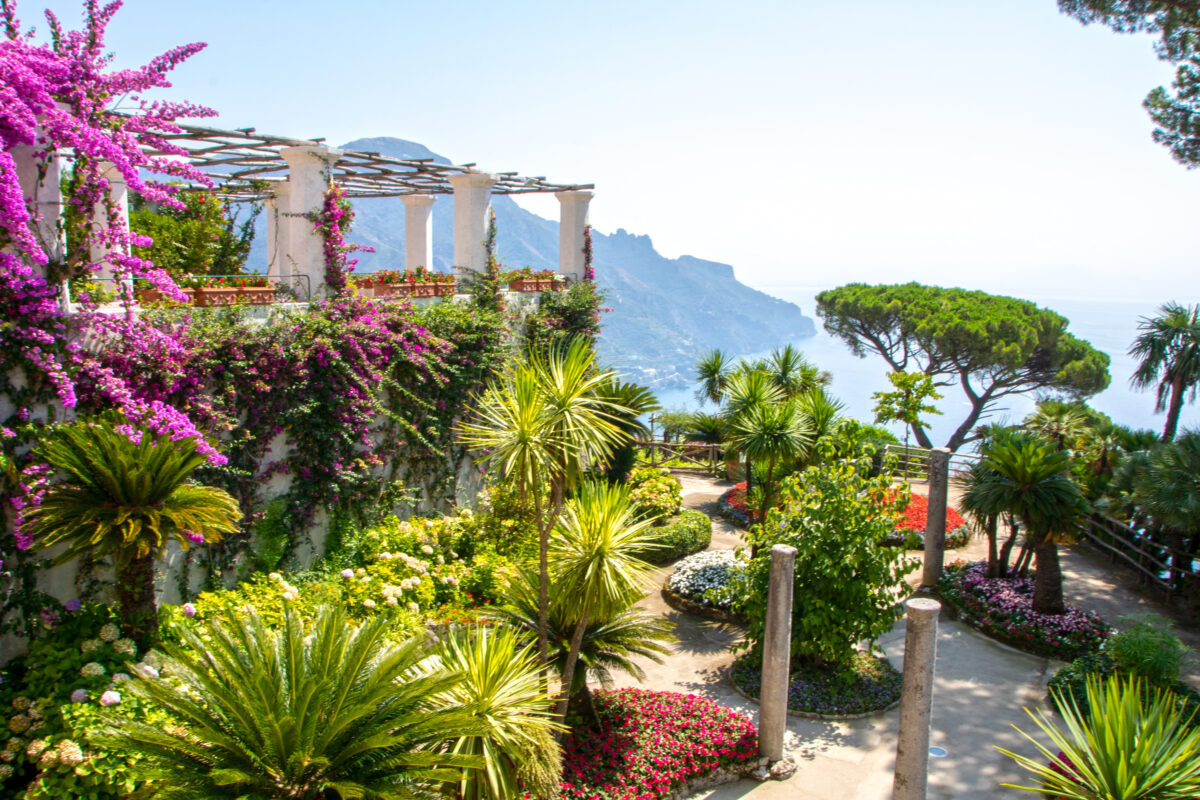
Perched high above the coastline, Ravello offers some of the most stunning views in all of Italy, with its terraces overlooking the sparkling blue waters of the Mediterranean and the lush green valleys below. This town is a place of inspiration, where the natural landscape is complemented by exquisite gardens, grand villas, and a rich cultural heritage that is celebrated through its many festivals and events.
At the heart of Ravello lies the enchanting Villa Rufolo, a historic estate that has captivated visitors for centuries with its architectural beauty and spectacular gardens. The villa’s terraces are adorned with vibrant flowers and ancient stonework, offering panoramic views that seem to stretch into infinity. It was here that the composer Richard Wagner found inspiration for his opera “Parsifal,” and today, the villa continues to inspire as the main venue for the annual Ravello Festival, a celebration of music, art, and culture that attracts talent from around the world.
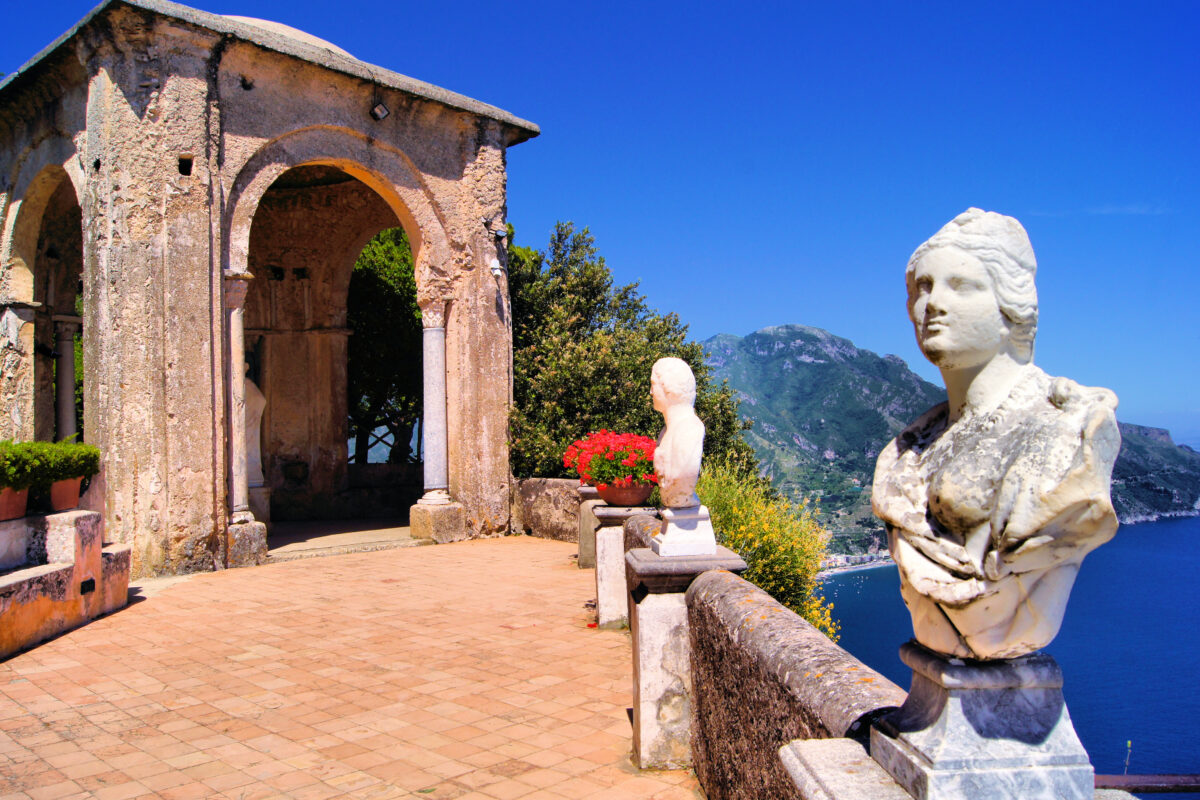
Another of Ravello’s treasures is Villa Cimbrone, an estate known for its magnificent gardens and the famous Terrace of Infinity, where marble busts frame one of the most awe-inspiring views on the coast. As you stroll through the villa’s gardens, with their lush greenery, classical statues, and secluded pathways, you feel as though you have stepped into a timeless world where beauty and tranquility reign supreme.
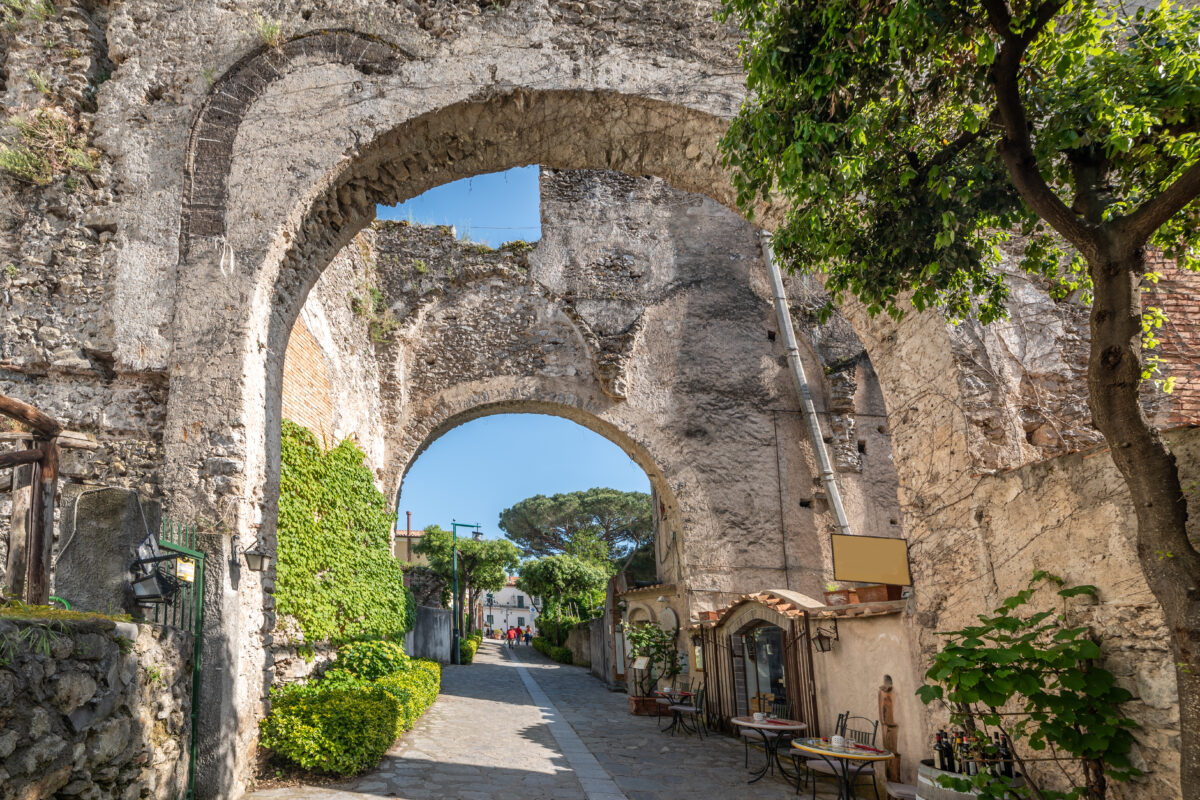
Ravello is also a town steeped in history, with its roots tracing back to the 5th century. The town’s cathedral, the Duomo di Ravello, stands as a testament to its long and storied past, with its beautiful bronze doors and the grand pulpit adorned with intricate mosaics. Whether you’re exploring the historic center, attending a concert in one of the town’s many venues, or simply enjoying a quiet moment in a café overlooking the sea, Ravello offers an experience of the Amalfi Coast that is both deeply enriching and utterly captivating.
Tramonti
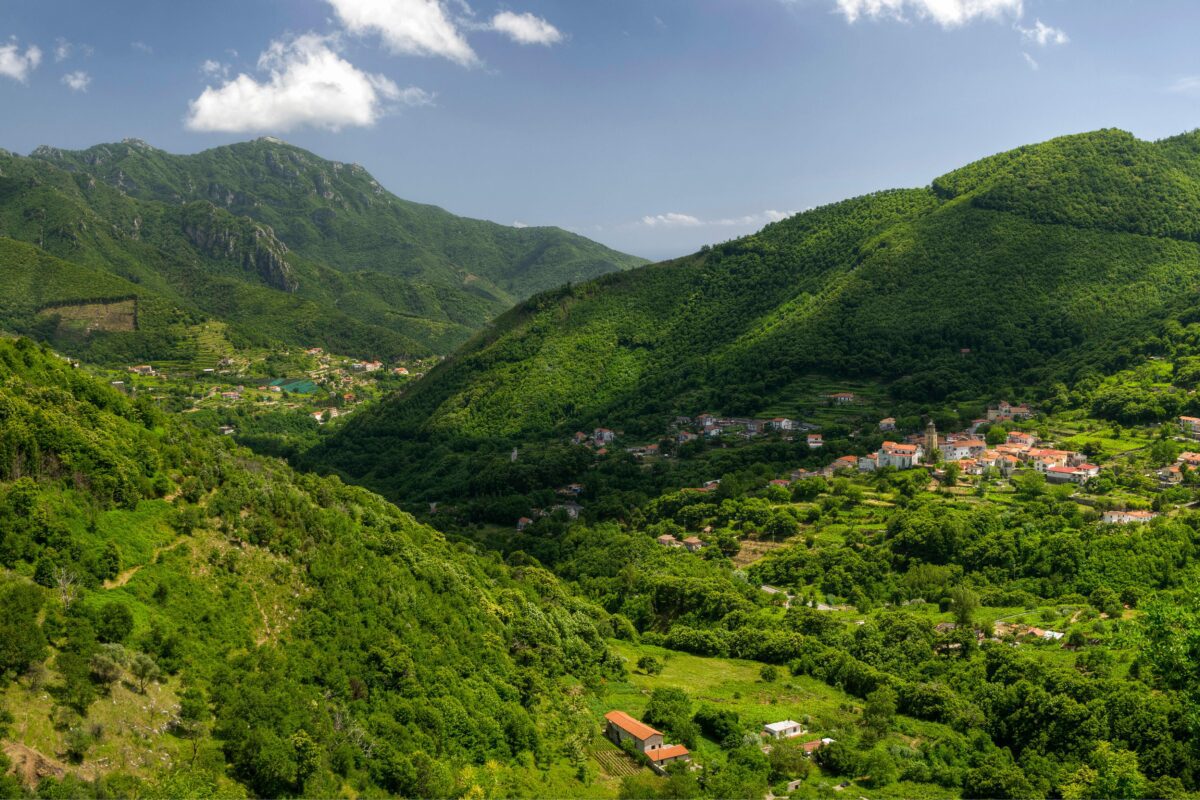
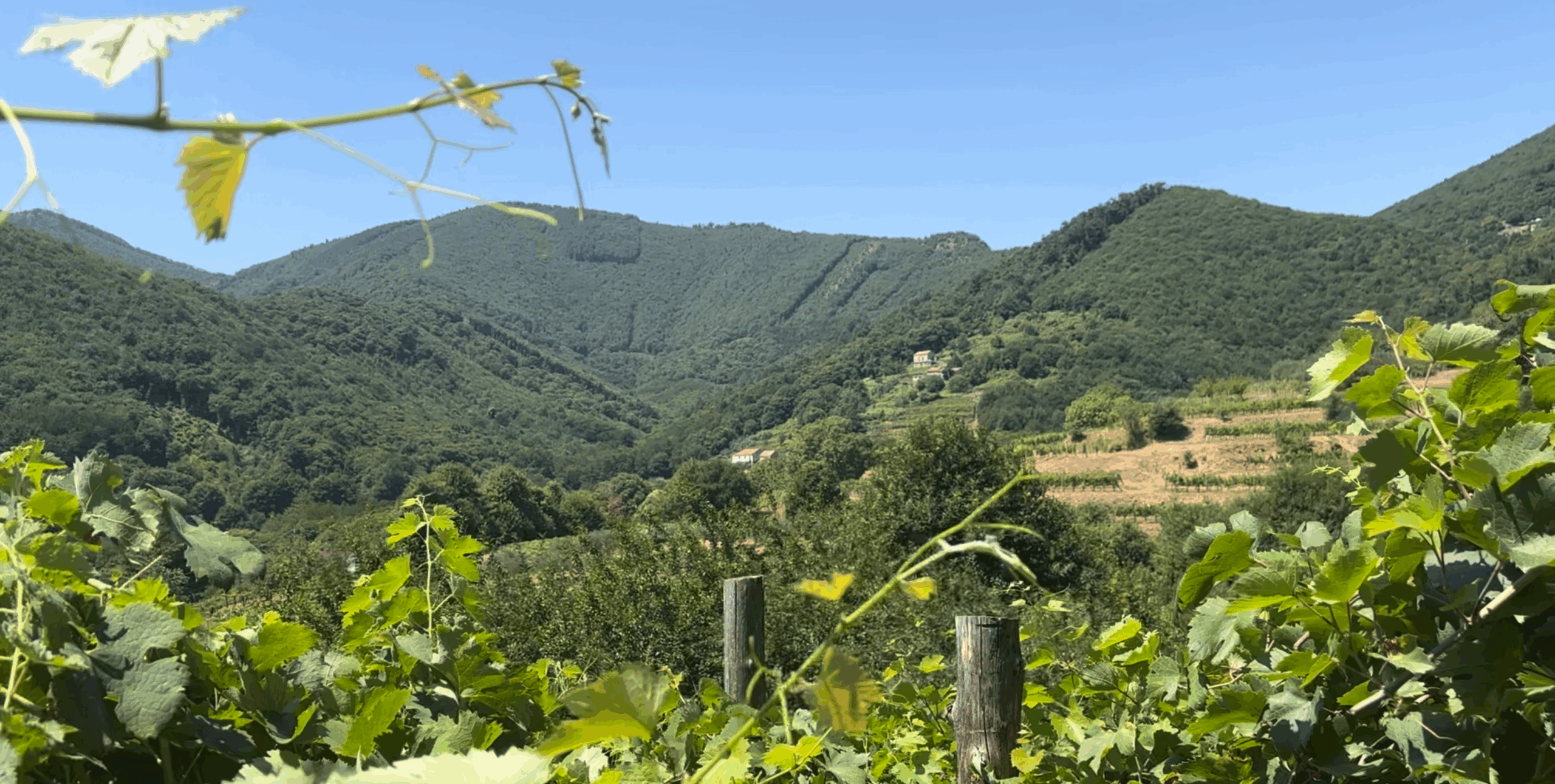
Tramonti is the green heart of the Amalfi Coast, a lush, verdant landscape that stretches inland from the coast, offering a peaceful contrast to the bustling seaside towns.
Nestled among the rolling hills and terraced vineyards, Tramonti is a place where nature thrives and traditions endure, making it a haven for those who seek to explore the authentic, rural side of the Amalfi Coast. Known as “the land of the thirteen hamlets,” Tramonti is a collection of small villages, each with its own unique character and charm, connected by winding roads that lead through forests, vineyards, and orchards.
The beauty of Tramonti lies in its simplicity and connection to the land. This is a place where life revolves around the rhythms of nature, and where the cultivation of vines and lemons has been perfected over centuries. The town is renowned for its production of some of the finest wines in the region, with vineyards that have been passed down through generations, producing robust reds and crisp whites that capture the essence of this fertile land. A visit to one of Tramonti’s family-run wineries offers a chance to taste these exceptional wines and to learn about the ancient winemaking traditions that continue to thrive here.
Tramonti is also the birthplace of the pizza margherita, with a rich history of baking that dates back to the 16th century. The town’s wood-fired ovens are still in use today, producing pizzas that are a testament to the town’s culinary heritage. Paired with the local wines, a meal in Tramonti is a celebration of the flavors of the land, offering a true taste of the Amalfi Coast’s rural traditions.
For nature lovers, Tramonti offers a wealth of opportunities to explore the great outdoors. The surrounding hills are crisscrossed with hiking trails that lead through forests of chestnut trees, past ancient monasteries, and up to breathtaking viewpoints that offer sweeping vistas of the coast and countryside. Whether you’re savoring the local cuisine, discovering the history of its hamlets, or simply enjoying the tranquility of the landscape, Tramonti invites you to experience the Amalfi Coast in its most natural and unspoiled form.
Scala
Scala is the oldest town on the Amalfi Coast, a place where history and tranquility converge in perfect harmony.
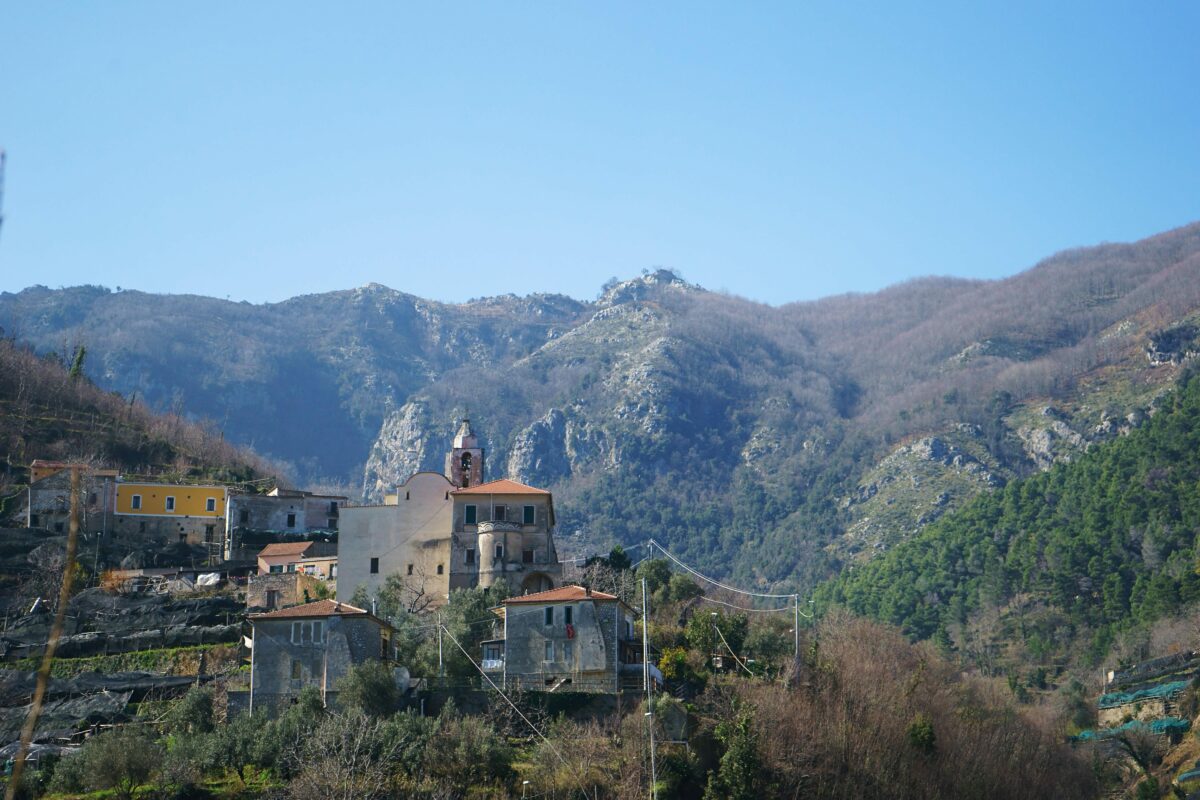
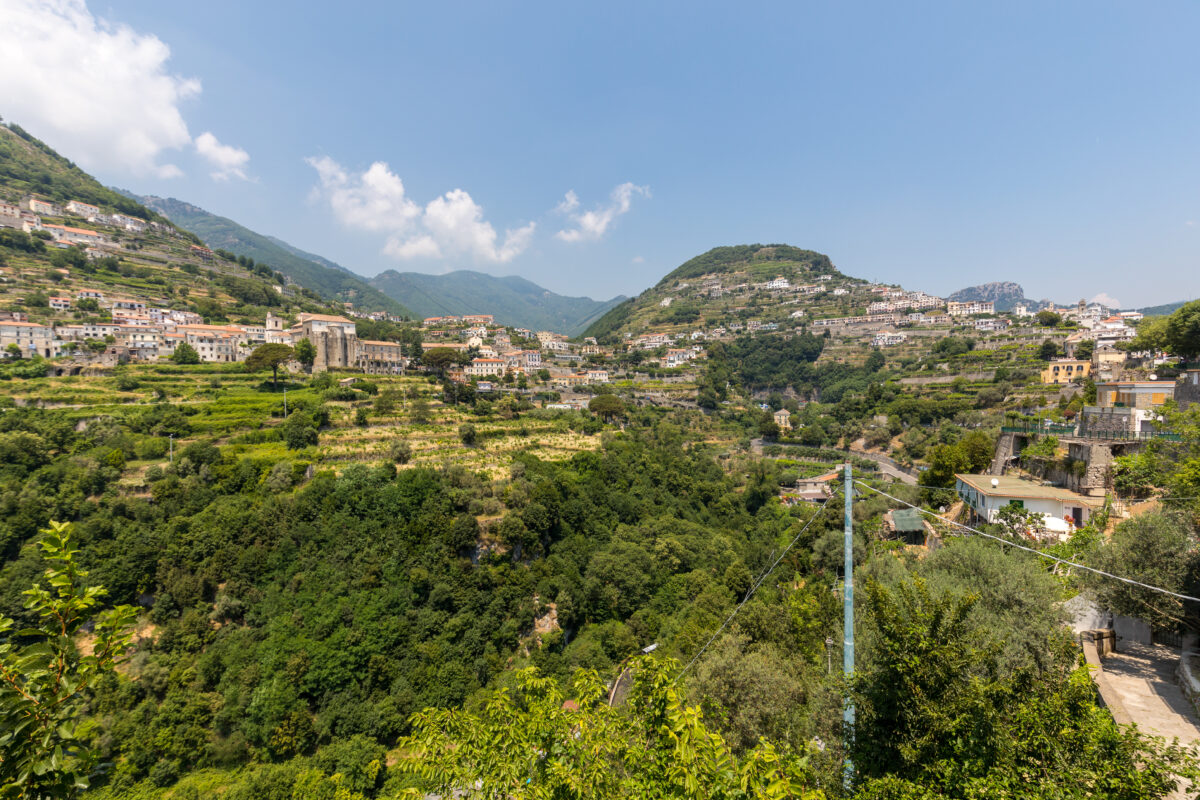
Perched high above the coastline, Scala offers breathtaking panoramic views that stretch from the rolling hills to the sparkling Mediterranean below. This serene town, with its ancient stone buildings, lush chestnut forests, and terraced vineyards, feels like a world apart, a peaceful retreat where time seems to slow down and the beauty of nature takes center stage.
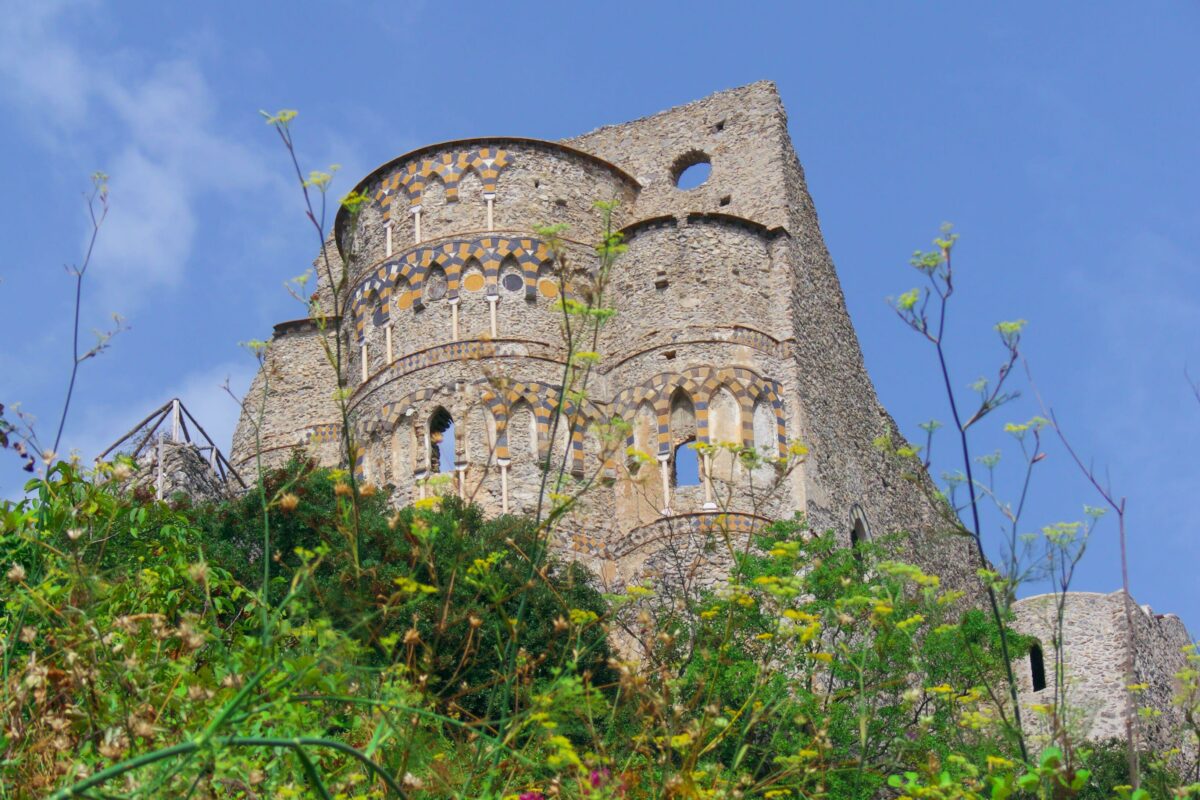
Scala’s history is rich and deep, dating back to the 4th century. The town’s heritage is reflected in its well-preserved medieval architecture, with several historic churches that stand as silent witnesses to the passage of centuries. The Duomo di San Lorenzo, with its striking Romanesque façade and beautiful interior, is the spiritual heart of Scala, offering a place of quiet reflection amidst the splendor of the Amalfi Coast. Nearby, the ruins of the Basilica di Sant’Eustachio, set against a backdrop of lush greenery, provide a glimpse into the town’s past and a peaceful spot for contemplation.
Beyond its historical treasures, Scala is a paradise for nature lovers and hikers. The town is a gateway to some of the most scenic trails on the Amalfi Coast, including the renowned Valle delle Ferriere, a nature reserve that is home to rare plants, cascading waterfalls, and the ruins of ancient ironworks. As you walk through the cool, shaded forests, with the sound of rushing water and the scent of wild herbs filling the air, Scala reveals its secret side—a place where nature and history intertwine to create a landscape of profound beauty.
Scala is a place where the rhythms of life are dictated by the seasons and the land. The town’s agricultural traditions are still very much alive, with vineyards and olive groves dotting the landscape, and the local cuisine is a reflection of this deep connection to the earth. Whether you’re enjoying a simple meal of fresh, locally sourced ingredients in a family-run trattoria or sipping wine made from grapes grown on the surrounding hills, Scala offers a taste of the Amalfi Coast that is as authentic as it is unforgettable.
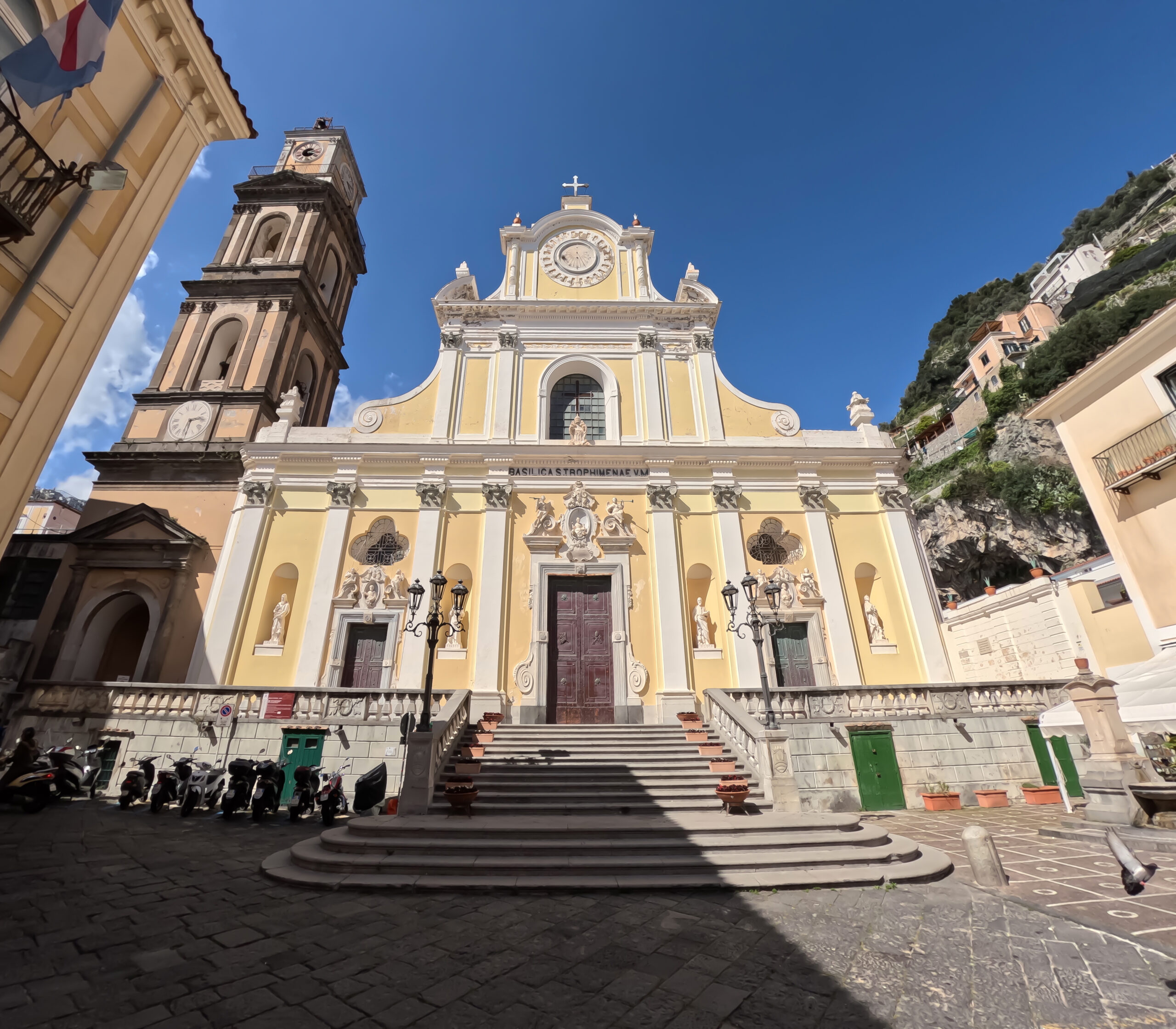
Minori
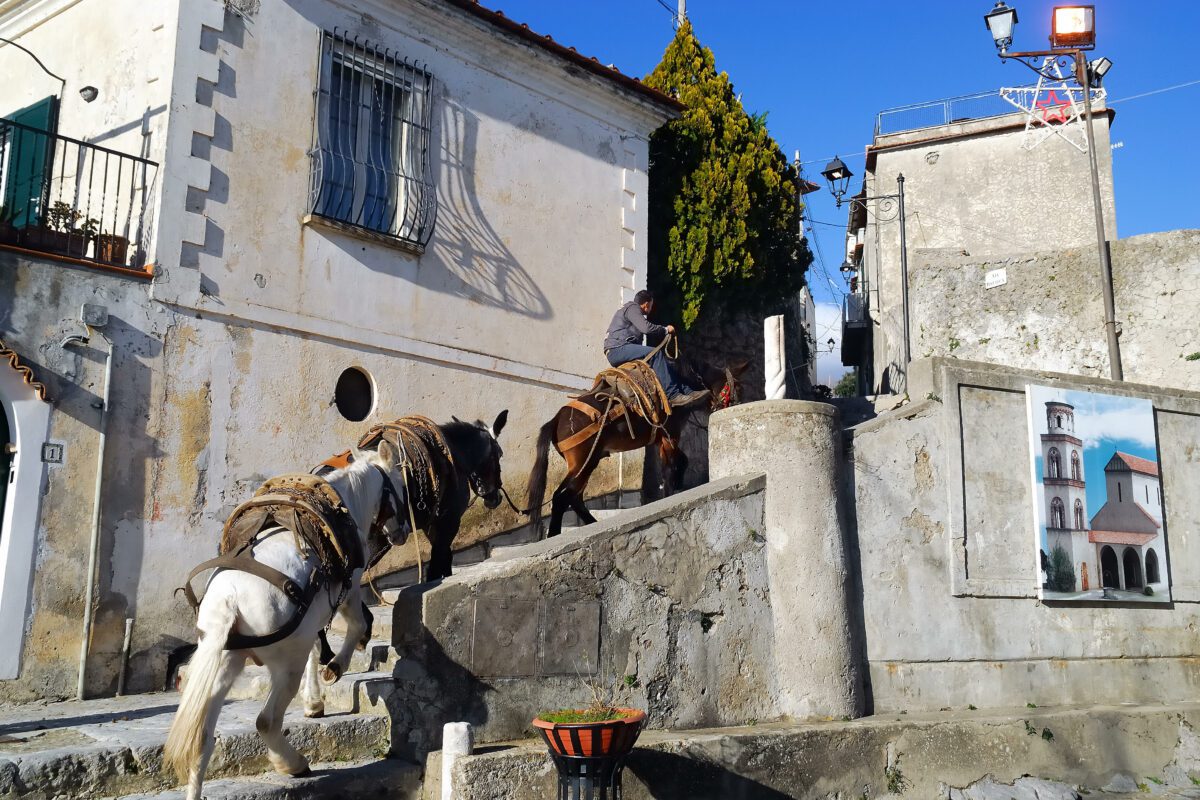
Minori is a hidden treasure along the Amalfi Coast, a town that exudes warmth and authenticity, where the pace of life is as gentle as the waves that lap its shores.
Known as the “City of Taste,” Minori is a paradise for food lovers, where the aromas of fresh pasta, lemon, and sea breeze blend into a sensory delight that is impossible to resist. This small, unassuming town offers a glimpse into the true soul of the Amalfi Coast, with its charming streets, welcoming locals, and a rich culinary tradition that dates back centuries.
At the heart of Minori’s culinary heritage is its renowned pasta, still made by hand using traditional methods passed down through generations. The town’s many pasticcerie (pastry shops) are a testament to this legacy, offering delicious treats like the famous sfogliatella riccia, a pastry filled with sweetened ricotta and flavored with the zest of local lemons. A stroll through Minori’s streets is a feast for the senses, with the scent of fresh-baked bread and pastries wafting from every corner, inviting you to indulge in the town’s gastronomic delights.
Minori’s history is as rich as its cuisine. The town was once a favorite retreat for Roman aristocrats, a legacy that is still visible today in the ruins of the ancient Villa Romana. This Roman villa, with its well-preserved frescoes and intricate mosaics, offers a fascinating glimpse into the life of luxury that once flourished here. Walking through the villa’s remains, it’s easy to imagine the opulence and splendor of Roman times, set against the stunning backdrop of the Amalfi Coast.
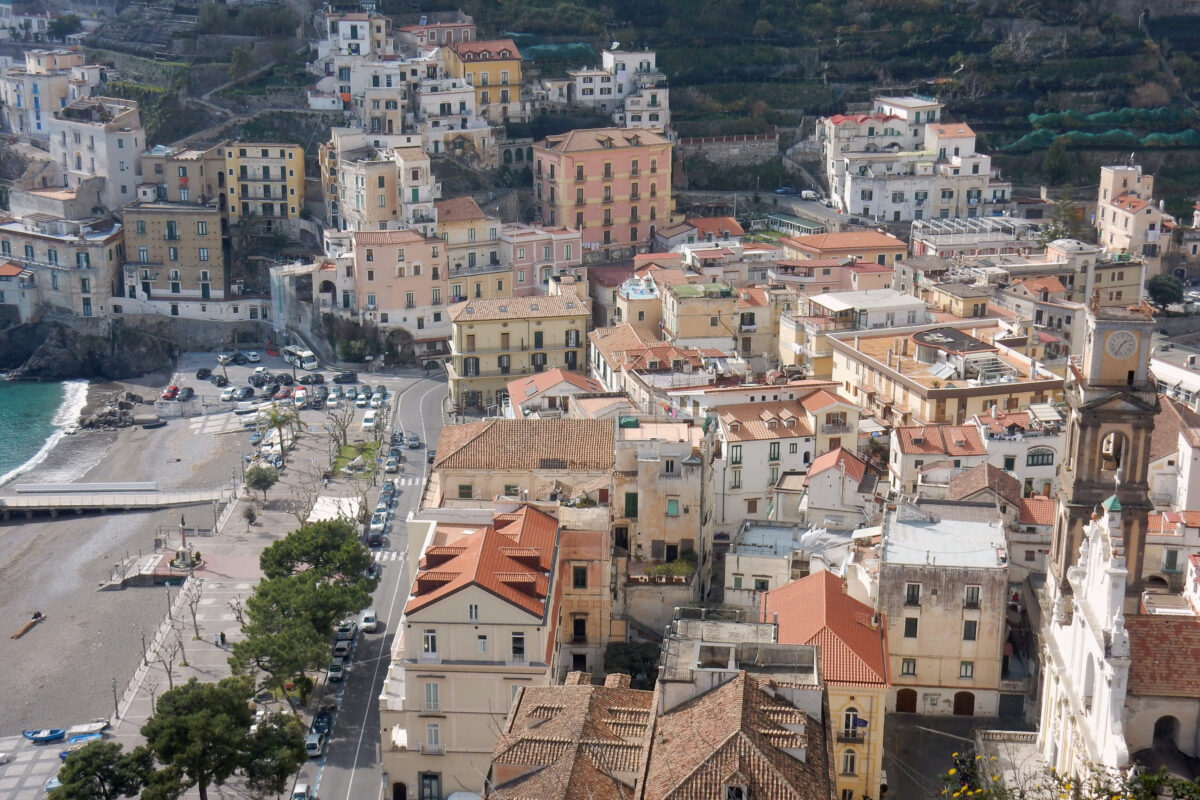
Despite its small size, Minori offers a wealth of experiences for visitors. The town’s beachfront promenade is the perfect place to relax and take in the views of the sea, while the nearby hills offer hiking trails that lead to breathtaking viewpoints and secluded spots where you can enjoy the natural beauty of the coast in peace. Whether you’re sampling the local cuisine, exploring ancient ruins, or simply soaking up the sun on the beach, Minori is a place where you can truly unwind and experience the Amalfi Coast at its most authentic and inviting.
Maiori
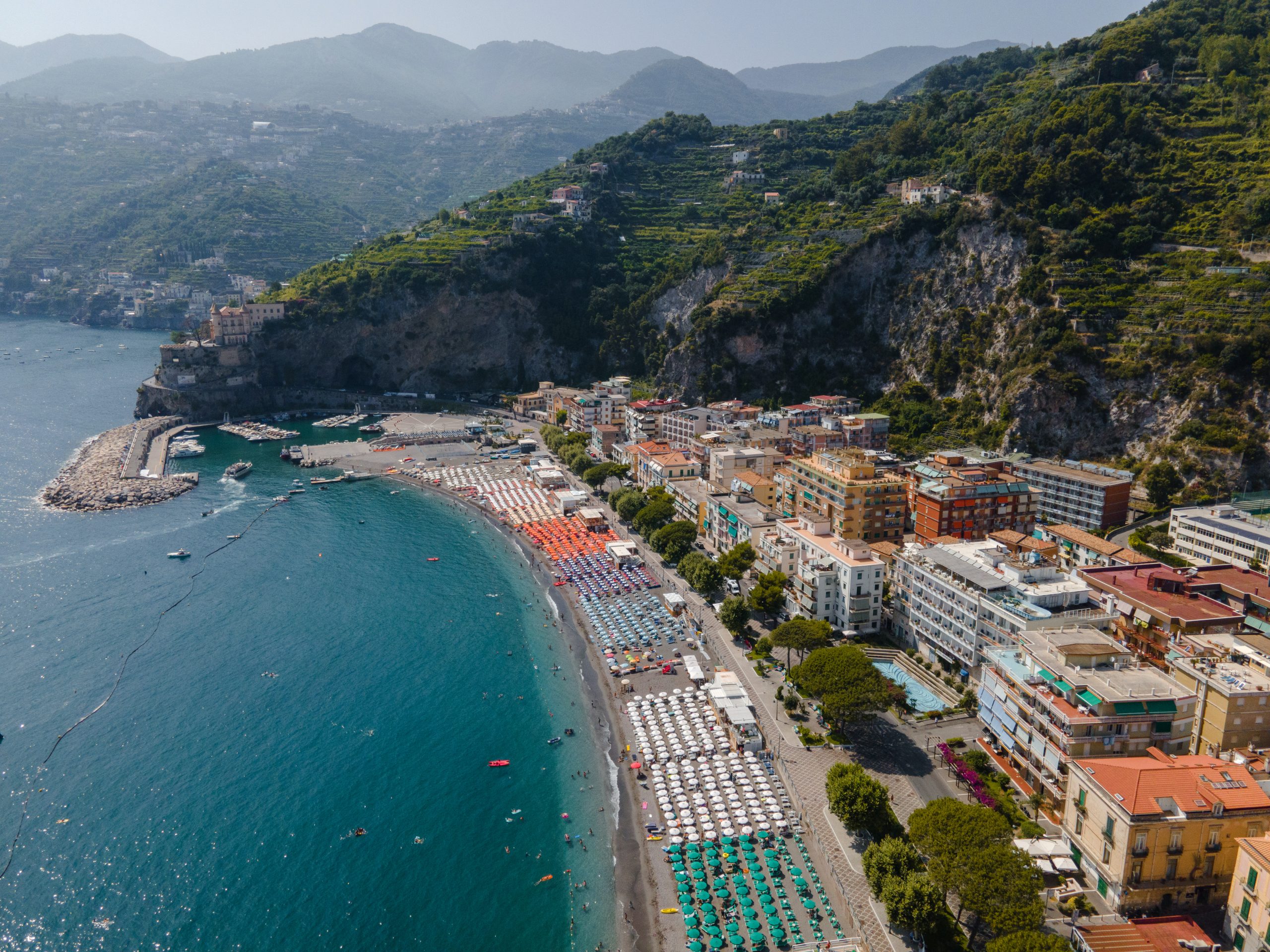
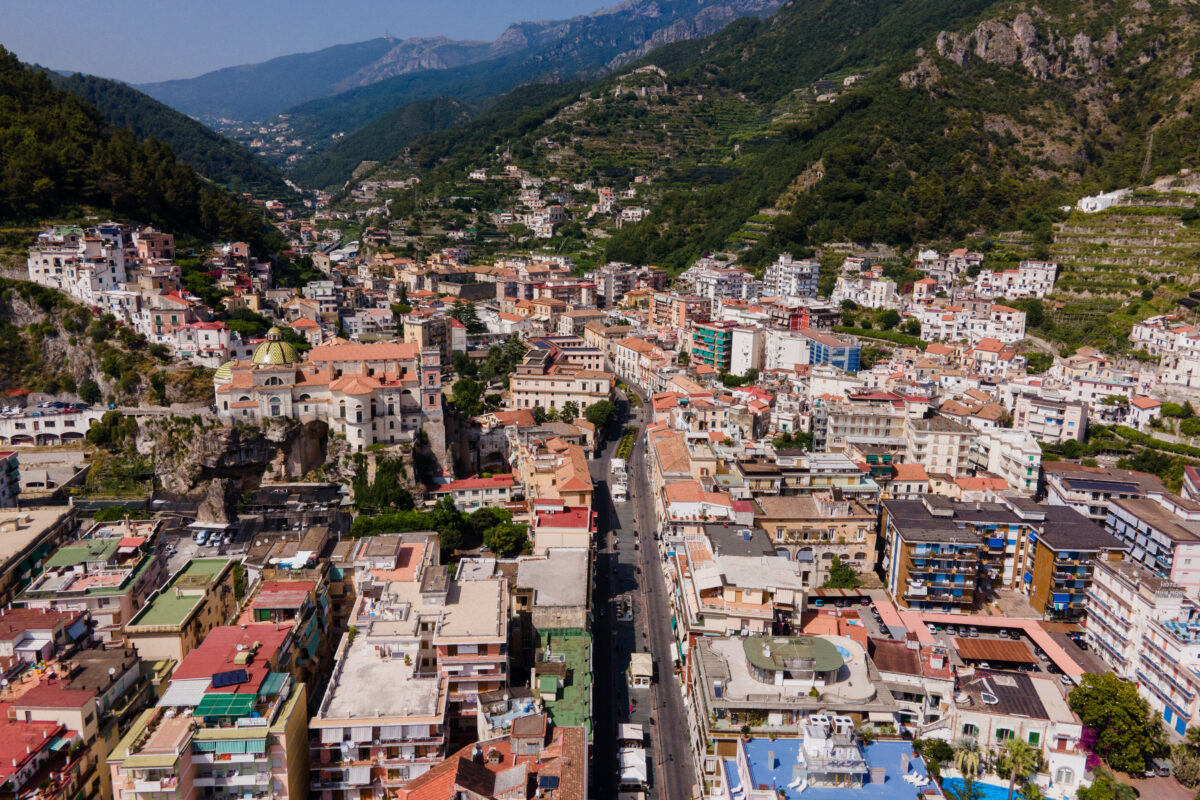
Maiori is a sun-drenched paradise on the Amalfi Coast, known for its expansive beaches, vibrant atmosphere, and rich history.
As one of the larger towns along the coast, Maiori offers a lively blend of natural beauty and cultural heritage, making it an ideal destination for those seeking both relaxation and adventure. The town’s long, sandy beach—the largest on the Amalfi Coast—is a focal point, where the golden sands meet the sparkling waters of the Tyrrhenian Sea, creating a perfect setting for sunbathing, swimming, and water sports.
Maiori’s charm extends beyond its beautiful coastline. The town’s historic center is a maze of narrow streets and colorful buildings, where centuries-old churches and charming piazzas invite you to explore. Among these treasures is the Collegiate Church of Santa Maria a Mare, with its striking majolica-tiled dome that stands as a beacon above the town. Inside, the church is a serene space filled with art and history, offering a quiet respite from the bustle of the town. Nearby, the Castle of San Nicola de Thoro-Plano, perched high on a hill, provides a glimpse into Maiori’s medieval past, with its impressive walls and panoramic views of the coast.
Maiori’s culinary scene is as vibrant as its streets. The town is known for its delicious seafood, freshly caught and served in the many seaside restaurants that line the promenade. Whether you’re enjoying a plate of spaghetti alle vongole or indulging in a gelato as you stroll along the lungomare, the flavors of Maiori are sure to delight. The town also has a rich tradition of pastry-making, with local specialties like the chocolate-covered melanzane alla cioccolata offering a unique and decadent taste of the Amalfi Coast.
For those who love to explore, Maiori is a gateway to adventure. The nearby Valle delle Ferriere, a lush nature reserve, offers hiking trails that lead through verdant forests and past cascading waterfalls, while the Sentiero dei Limoni (Path of the Lemons) connects Maiori to the neighboring town of Minori, offering breathtaking views of the coast along the way. Whether you’re seeking relaxation on the beach, exploring historic sites, or embarking on a scenic hike, Maiori has something for everyone, making it a must-visit destination on the Amalfi Coast.
Furore
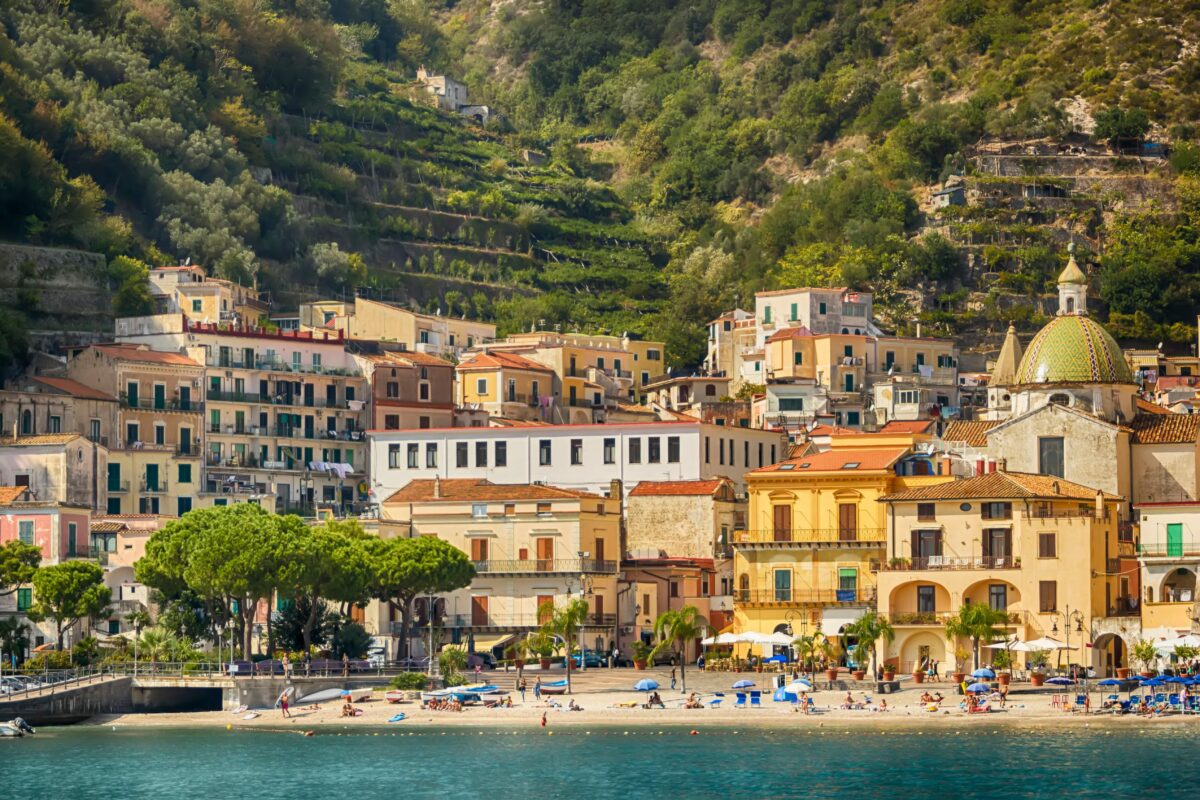
Furore is a hidden gem along the Amalfi Coast, often overlooked but unforgettable for those who seek it out.
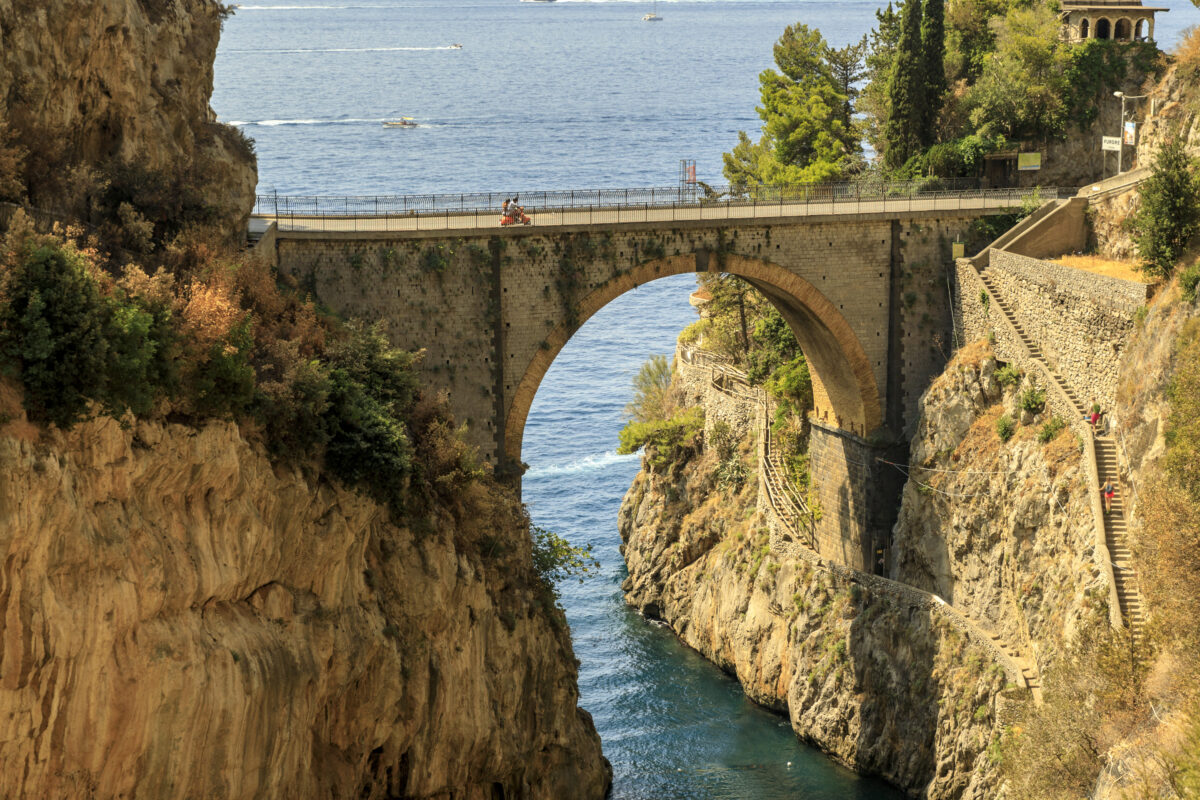
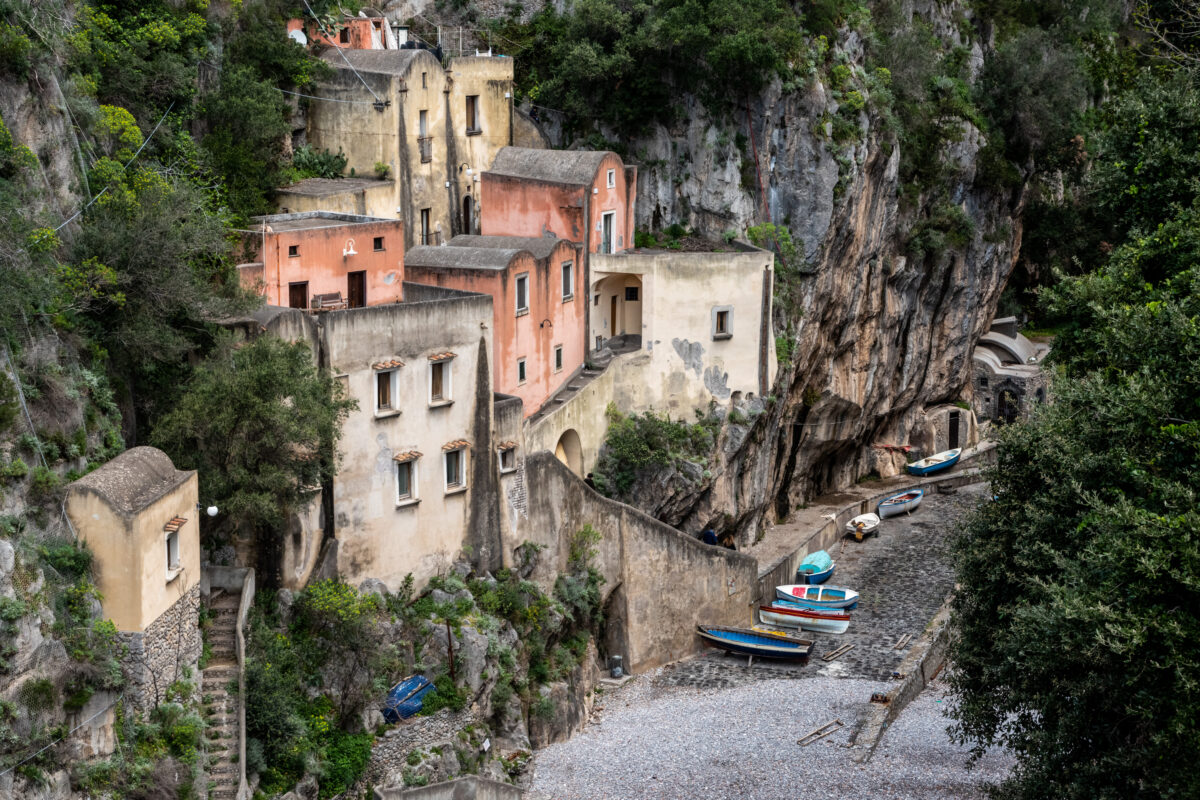
Known as “the town that doesn’t exist” due to its discreet location and lack of a central piazza, Furore is a collection of scattered hamlets nestled within the cliffs, each offering a glimpse into a world where nature and tradition are intimately intertwined. The most striking feature of Furore is its fjord—a dramatic, narrow inlet where the cliffs plunge into the turquoise sea, creating a scene of breathtaking natural beauty that feels almost otherworldly.
The Fiordo di Furore is a place where time seems to stand still. This secluded cove, once a thriving fishing village, now serves as a tranquil retreat where the past and present coexist harmoniously. The old fishermen’s houses, now lovingly restored, cling to the cliffs as if defying gravity, while the stone arch bridge above offers a perfect vantage point for capturing the fjord’s raw beauty. The waters below are crystal clear, inviting visitors to swim, explore by kayak, or simply relax and absorb the peaceful ambiance.
Furore’s charm extends beyond its dramatic landscape. The town is also known for its vibrant murals, which tell stories of local legends, history, and folklore, adding a unique artistic touch to this otherwise serene setting. The Church of San Michele, with its exquisite frescoes, offers another glimpse into Furore’s rich cultural heritage. This is a place where you can truly disconnect from the world, losing yourself in the beauty of nature and the warmth of a community that holds its traditions close. In Furore, every moment feels intimate and personal, a quiet celebration of the Amalfi Coast’s more tranquil side.
Conca Dei Marini
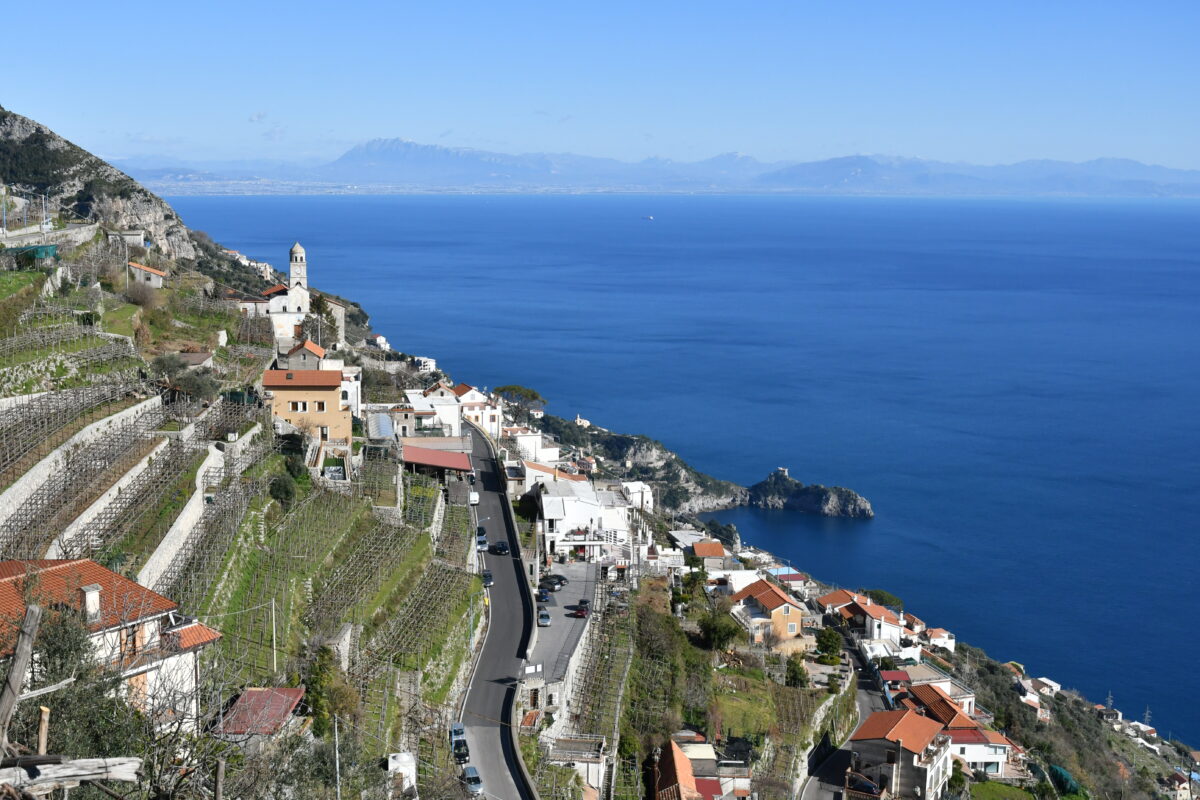
Conca dei Marini is a picturesque coastal village that epitomizes the understated elegance of the Amalfi Coast.
Nestled between Amalfi and Praiano, this small but enchanting town is a sanctuary of tranquility, where the charm of the past meets the beauty of the present. Conca dei Marini’s whitewashed houses, terraced gardens, and steep cliffs create a stunning contrast against the deep blue of the Mediterranean, offering a perfect escape for those seeking to experience the Amalfi Coast in its most authentic and serene form.
One of Conca dei Marini’s crown jewels is the Grotta dello Smeraldo, or Emerald Grotto. This natural wonder, hidden beneath the cliffs, is a sea cave where sunlight filters through the water, casting an ethereal green glow that dances on the cavern walls. Visiting the grotto by boat is a magical experience, as the emerald waters seem to hold a mystical allure, inviting you into a world of wonder and enchantment.
The town is also known for its rich culinary traditions, particularly the delicate sfogliatella Santa Rosa, a pastry born in the kitchens of the Santa Rosa Monastery. This sweet treat, filled with ricotta and flavored with orange blossom, is a symbol of the town’s connection to its history and its dedication to preserving its cultural heritage. Whether you’re savoring this pastry in a local café or enjoying a meal of fresh seafood at a seaside restaurant, Conca dei Marini offers a taste of the Amalfi Coast that is both timeless and unforgettable.
Conca dei Marini is a place where simplicity and beauty go hand in hand. The Church of San Pancrazio, perched high above the sea, offers panoramic views that are nothing short of spectacular, a reminder of the profound connection between this land and the sea that surrounds it. In Conca dei Marini, every moment is an invitation to slow down, to breathe in the fresh sea air, and to lose yourself in the beauty of one of the Amalfi Coast’s most charming and intimate villages.
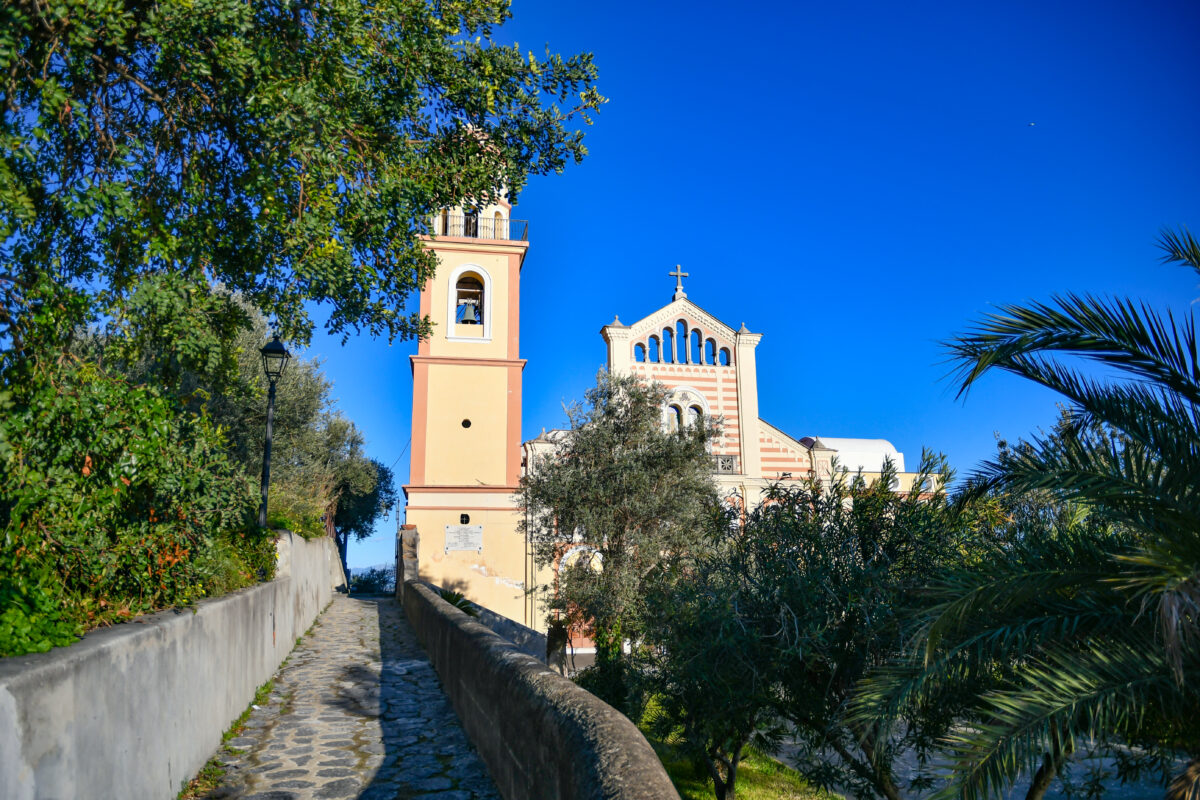
Capri
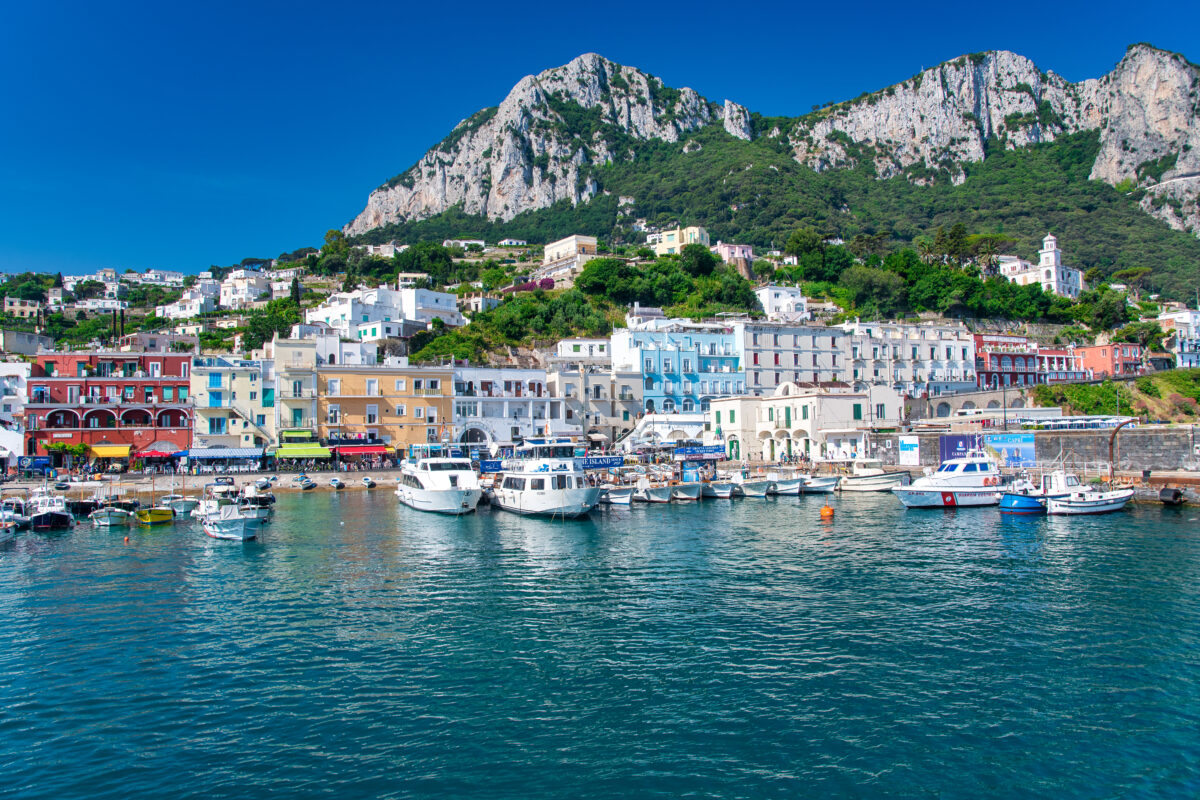
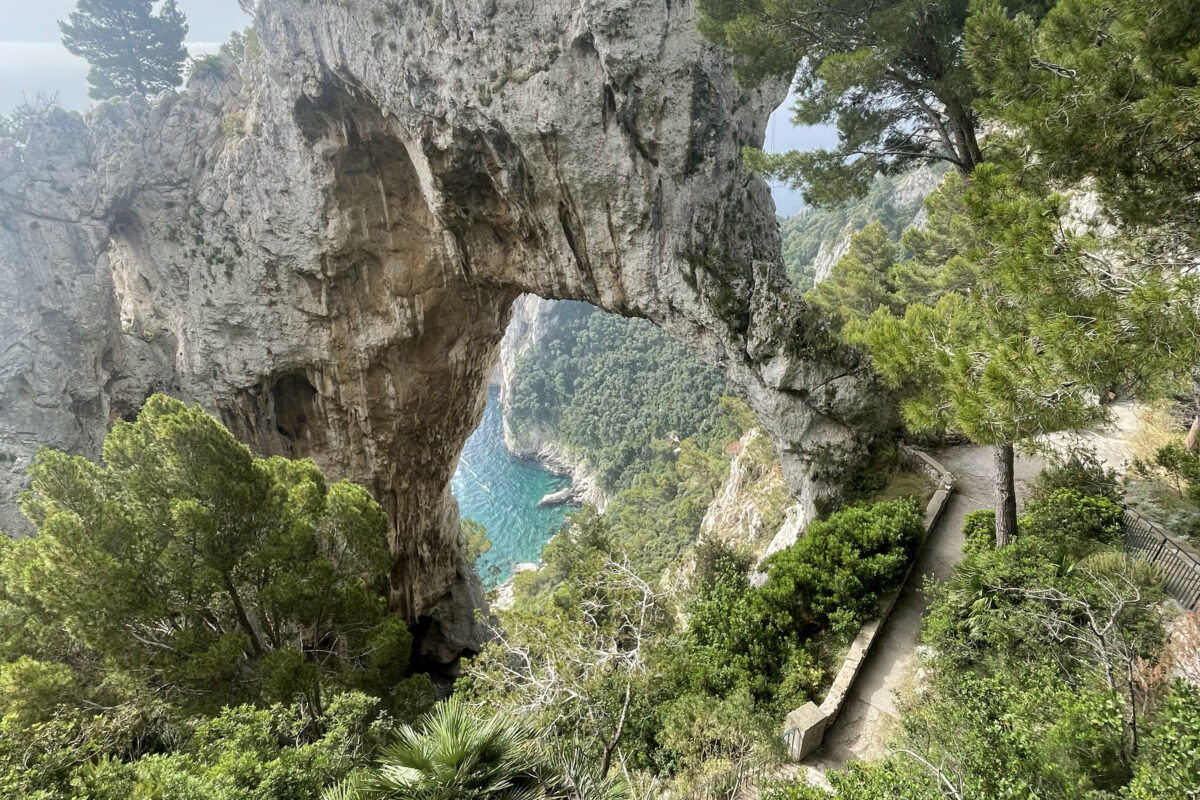
Capri is more than just an island; it is a symbol of timeless beauty and sophistication, where azure waters meet dramatic cliffs, and ancient ruins whisper tales of a storied past.
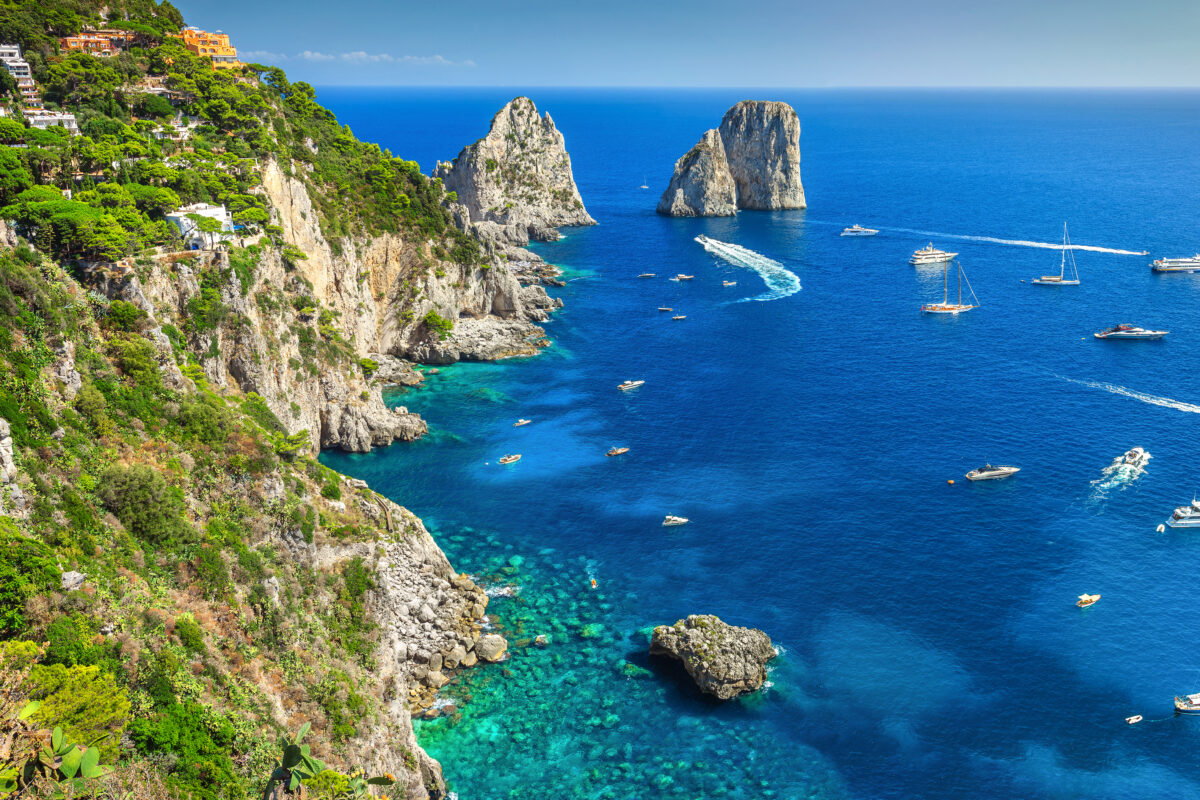
As you arrive, the enchanting scent of citrus groves and blooming flowers fills the air, welcoming you to a world of unparalleled charm and elegance. The iconic Faraglioni rock formations rise majestically from the sea, a testament to nature’s artistry, while the Blue Grotto invites you into its mystical, sapphire-hued embrace, a secret world hidden beneath the surface.
The town of Capri, with its narrow, winding streets, is a paradise for those who seek both luxury and authenticity. Stroll through the bustling Piazzetta, where the world seems to pause, allowing you to soak in the lively atmosphere, surrounded by chic boutiques, elegant cafes, and historic buildings that exude charm. As you explore further, the gardens of Augustus offer breathtaking views over the shimmering Tyrrhenian Sea, a place where the beauty of the island truly comes alive.
Capri is not just a destination; it’s an experience that lingers in the heart long after you’ve left. From the serene tranquility of Anacapri to the vibrant energy of Marina Grande, every corner of Capri beckons with the promise of unforgettable moments. Whether you’re indulging in a gourmet meal overlooking the sea, wandering through ancient Roman ruins, or simply basking in the sun on a secluded beach, Capri is a place where dreams become reality, and every moment feels like a scene from a classic Italian film.
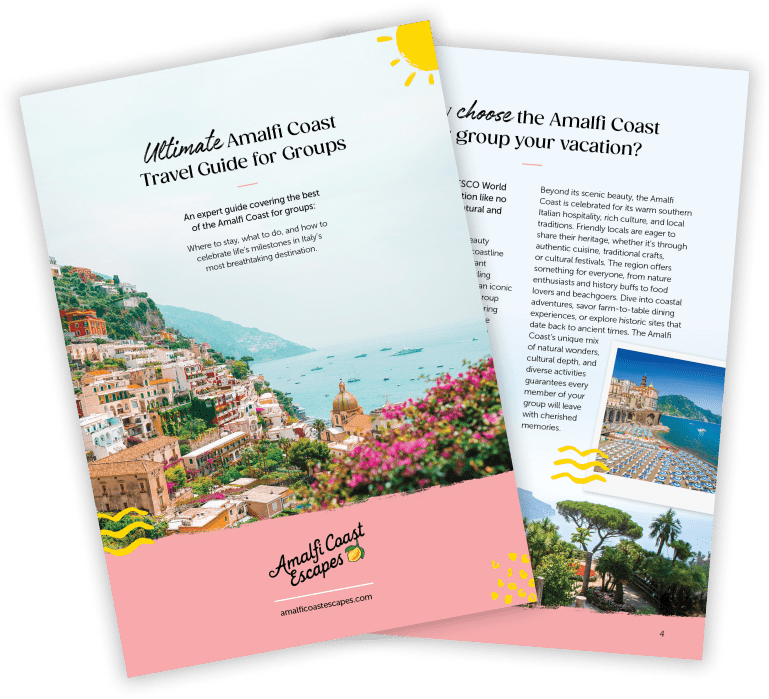
Download The Ultimate Amalfi Coast Travel Guide for Groups
Check out our expert guide covering the best of the Amalfi Coast for groups: where to stay, what to do, and how to celebrate life’s milestones in Italy’s most breathtaking destination.
Travel Tips
Is there a best town to stay in on the Amalfi Coast?
The Amalfi Coast offers a variety of towns, each with its own unique charm, so the best town to stay in depends on the type of vacation you are looking for. Whether you seek vibrant nightlife, scenic views, cultural immersion, or peaceful relaxation, there's a town on the Amalfi Coast that will suit your preferences.
What makes Amalfi and Positano popular choices?
Amalfi and Positano are two of the most vibrant towns on the coast, known for their bustling harbors, lively nightlife, and a wide array of shops, restaurants, and beaches. Both towns provide easy access to many local attractions and activities. Positano offers stunning hillside villas with panoramic views, while Amalfi provides accommodations close to the heart of the town, blending convenience with tranquility.
What if I prefer a quieter, more intimate experience?
For those seeking a more peaceful retreat, consider staying in one of the quieter hamlets such as Nocelle or Montepertuso above Positano, or Scala and Ravello overlooking Amalfi. These towns offer a more intimate, village-like atmosphere, allowing you to experience local life away from the main tourist paths. Ravello, in particular, is known for its historic charm and beautiful gardens, providing a tranquil setting with cultural and dining options.
Are there any considerations for staying in hillside villages?
Staying in hillside villages offers breathtaking views and a closer connection to the local culture. However, it requires more planning for transportation, as accessing the main towns may involve navigating numerous steps or taking a local bus or taxi. Despite these logistics, the peaceful escape and stunning vistas make it worthwhile for many travelers.
How do I decide which town is right for my vacation?
Choosing the right town depends on your personal preferences and what you wish to experience during your stay. If you want easy access to amenities and a lively atmosphere, Amalfi and Positano are excellent choices. For those seeking serenity and a more authentic experience, the quieter towns and hamlets offer a perfect retreat. At Amalfi Coast Escapes, we can help you choose the ideal location based on your interests, ensuring your stay is both memorable and tailored to your needs.
The Amalfi Coast’s narrow, winding roads can be difficult to navigate, especially during the busy summer months. Parking is scarce, and many roads have blind corners that make driving tricky. Hiring a car is possible but not recommended unless you are experienced. Few accommodations offer parking.
Can I rent a scooter to explore the coast?
Scooters are popular with locals, but riding one requires skill and confidence, particularly on the winding coastal roads. Tourist accidents are common, so we only recommend scooter hire for highly experienced riders.
Are local buses a good option?
Local buses are convenient for traveling between towns and avoiding steep stairs. However, they can be crowded, may not run on time, and can pass by if full. Allow extra time if using buses for scheduled excursions.
How about taking ferries?
Ferries offer scenic and relaxed day trips along the coast. They are economical but not ideal for travelers with luggage, as you'll need additional transport from the dock. Private transfers are a more efficient option for those with luggage.
Why choose private drivers and transfers?
Private drivers provide a hassle-free way to get around the Amalfi Coast. They offer comfort, safety, and convenience, taking you directly to your destination. Most drivers are fluent in English and can offer valuable local insights. Many use prestige vehicles for a stylish and comfortable journey.
At Amalfi Coast Escapes, we arrange the best transportation options for our clients, including private drivers and transfers. When you book with us, we handle all the logistics, so you can relax and enjoy your vacation.
Should I hire a car to get around the Amalfi Coast?
Hiring a car offers flexibility and the freedom to explore the Amalfi Coast at your own pace. However, it comes with challenges. The coastal roads are narrow, winding, and often congested, especially during the peak tourist season. Parking is limited and can be difficult to find, even in larger towns. If you’re comfortable with these conditions and plan to explore less accessible areas, a car could be useful. However, for most visitors, alternative transportation options may be more convenient.
Is hiring a scooter a good idea?
Scooters are a popular mode of transport among locals and can be a practical way to navigate the traffic and tight spaces on the Amalfi Coast. They allow for easier parking and quicker travel through congested areas. However, riding a scooter requires experience and confidence, especially on the winding coastal roads. If you are an experienced rider familiar with similar driving conditions, a scooter can be a fun and efficient way to explore. Otherwise, it might be safer to opt for other transportation methods.
What are the drawbacks of hiring a car or scooter?
Both cars and scooters come with their challenges. For cars, parking is a significant issue, and navigating the narrow, often crowded roads can be stressful. For scooters, safety is a concern, as the roads can be difficult to navigate, with sharp turns and heavy traffic. Accidents are not uncommon, particularly involving tourists unfamiliar with the terrain. Both options also require careful consideration of local driving rules and insurance.
Are there better alternatives to hiring a car or scooter?
Yes, there are several convenient alternatives. Local buses connect many of the towns along the coast, and ferries provide a scenic way to travel between coastal towns. Private transfers and drivers offer a comfortable, stress-free way to get around, with the added benefit of local knowledge. Taxis are also available for shorter trips. These options can often be more convenient and safer than driving yourself.
When might hiring a car or scooter be worthwhile?
Hiring a car might be worthwhile if you plan to explore inland areas, visit multiple towns off the beaten path, or have specific travel needs that require a private vehicle. A scooter could be a good option if you are an experienced rider looking for a bit of adventure and are confident in navigating the coastal roads. Both options allow for greater flexibility but should be chosen with consideration of the challenges they present.
What do most visitors prefer?
Most visitors to the Amalfi Coast prefer using public transportation, ferries, or private transfers to avoid the hassles of parking and navigating busy roads. These options offer a more relaxed experience, allowing visitors to enjoy the stunning scenery without the stress of driving.
What is the nearest airport to the Amalfi Coast?
The closest major airport to the Amalfi Coast is Naples International Airport (Aeroporto di Napoli-Capodichino), located about 60 kilometers (37 miles) away. This airport is the most convenient entry point for travellers headed to the Amalfi Coast, offering numerous domestic and international flights.
Can I fly directly to the Amalfi Coast?
There is no airport directly on the Amalfi Coast. The nearest major airport is in Naples, from which you can reach the Amalfi Coast by car, private transfer, bus, or ferry. Alternatively, Rome’s airports, Fiumicino (Leonardo da Vinci) and Ciampino, are also options, though they are further away, approximately a 3 to 4-hour drive.
How do I get from Naples International Airport to the Amalfi Coast?
From Naples International Airport, you have several options to reach the Amalfi Coast:
- Private Transfer: This is the most convenient and comfortable option, especially if you have luggage. A private driver can take you directly to your accommodation on the coast.
- Car Rental: If you prefer flexibility, you can rent a car and drive to the Amalfi Coast. Keep in mind the narrow, winding roads and limited parking options.
- Bus: There are shuttle buses from the airport to Naples city center, where you can catch a bus to Sorrento or Amalfi. This option is economical but may take longer.
- Train and Ferry: You can take a train from Naples to Sorrento or Salerno, then catch a ferry to towns along the Amalfi Coast. This is a scenic option, offering beautiful views of the coastline.
Is it possible to take a train directly to the Amalfi Coast?
No, there isn’t a direct train route to the Amalfi Coast. However, you can take a train to nearby cities such as Sorrento or Salerno and then continue your journey by private transfer, bus, taxi, or ferry. Sorrento and Salerno serve as gateways to the Amalfi Coast, making them ideal starting points.
What is the best option for reaching the Amalfi Coast from Rome?
From Rome, you can either take a high-speed train to Naples and then transfer to a private car, bus, or ferry to reach the Amalfi Coast. Alternatively, you can drive directly, which takes around 3 to 4 hours. Flying from Rome to Naples is another option, though the travel time may not be significantly different when accounting for airport procedures.
Are there any other airports to consider?
Salerno Costa d’Amalfi Airport is another, albeit smaller, airport closer to the Amalfi Coast. However, it has limited flight options mainly serving domestic and some European routes. For international travelers, Naples International Airport remains the most practical choice.
We are a land-based travel service specializing in the Amalfi Coast, and we do not organize domestic or international flights. However, once you arrive in Italy, we can arrange seamless transportation for you and your group from your arrival destination—whether it's Naples, Salerno, Rome, or Sorrento—directly to the Amalfi Coast.
The best seasons to visit the Amalfi Coast are spring (April to June) and fall (September to October). During these months, the weather is warm and pleasant, perfect for exploring the towns, beaches, and hiking trails. These seasons also offer fewer crowds than the peak summer months, making for a more relaxed and enjoyable experience.
Is summer a good time to visit the Amalfi Coast?
Summer (July to August) is the busiest time on the Amalfi Coast, attracting many tourists due to school vacations and the warm Mediterranean climate. While the weather is perfect for beach days and outdoor dining, expect higher prices and crowded attractions. If you plan to visit during this time, booking accommodations and tours well in advance is advisable.
What is the Amalfi Coast like in winter?
Winter (November to March) is the low season on the Amalfi Coast. Many hotels, restaurants, and tourist attractions close during these months, and the weather can be cooler and rainy. However, winter offers a quieter experience, with fewer tourists and a chance to see the coast's natural beauty in a different light. It's also a great time to enjoy local festivals and traditions.
Is September a good time to visit the Amalfi Coast?
Yes, September is one of the best months to visit the Amalfi Coast. The summer crowds have started to diminish, but the weather remains warm and sunny. The sea is still perfect for swimming, and the vineyards are preparing for harvest, adding a unique charm to the landscape.
What can I expect from the Amalfi Coast in spring?
Spring is a wonderful time to visit the Amalfi Coast. The weather is mild, and the landscape is lush with blooming flowers and green hillsides. This season is ideal for outdoor activities such as hiking, sightseeing, and exploring the local towns. Easter celebrations also bring vibrant traditions and events to the area.
Are there any specific events or festivals to consider when planning my visit?
The Amalfi Coast hosts various events throughout the year. Highlights include the Ravello Festival in the summer, featuring classical music concerts in stunning settings, and local religious festivals like the Feast of Saint Andrew in Amalfi. These events can enhance your experience, offering a glimpse into the local culture and traditions.
Is it possible to walk between towns on the Amalfi Coast?
Yes, it is possible to walk between some towns on the Amalfi Coast, and many visitors enjoy exploring the scenic walking paths that connect these towns. The Amalfi Coast is famous for its breathtaking hiking trails that offer stunning views of the coastline, sea, and surrounding mountains. However, walking between towns typically requires some level of fitness and a love for hiking, as the paths can be steep and challenging.
What are some popular walking trails between towns?
One of the most famous trails is the *Sentiero degli Dei* (Path of the Gods), which connects the towns of Agerola (Bomerano) and Nocelle, near Positano. This trail offers spectacular views of the coast and is a favorite among hikers. Another popular route is the walk from Ravello to Amalfi, passing through the charming village of Atrani. These trails allow you to experience the natural beauty of the Amalfi Coast up close.
Are the walking paths easy to navigate?
The walking paths can vary in difficulty. Some are well-marked and relatively easy to follow, while others can be more rugged and challenging, with steep ascents and descents. It’s important to wear appropriate footwear and carry water, especially during the warmer months. Trail maps and local guides can be helpful for navigating more complex routes.
Can you walk along the coast between all towns?
Not all towns are easily accessible by walking along the coast due to the steep cliffs and rugged terrain. While some towns are connected by hiking trails, others may require using public transportation, ferries, or cars to travel between them. It’s best to research specific routes and plan accordingly if you wish to walk between towns.
What is the best time of year for walking between towns?
Spring (April to June) and fall (September to October) are the best times for walking on the Amalfi Coast. The weather is mild, and the trails are less crowded. Summer can be hot and more challenging for long walks, while winter may bring cooler temperatures and the possibility of rain, making some paths slippery and less accessible.
Do I need a guide to walk between towns?
While many trails can be navigated independently, hiring a local guide can enhance your experience. Guides offer valuable insights into the area’s history, culture, and natural environment, and can ensure you stay on the correct path. A guided walk can be particularly helpful if you’re unfamiliar with the terrain or want to learn more about the region.
Is it possible to take a day trip to Capri from the Amalfi Coast?
Yes, taking a day trip to Capri from the Amalfi Coast is not only possible but also a popular activity for visitors. The island of Capri is easily accessible by ferry or private boat, making it a convenient and enjoyable day trip destination from towns like Positano, Amalfi, and Sorrento.
How long does it take to get to Capri from the Amalfi Coast?
The ferry ride from the Amalfi Coast to Capri typically takes between 30 to 60 minutes, depending on the departure point. Ferries run regularly throughout the day from Positano and Amalfi, especially during the high season, providing plenty of options for travelers.
What are the ferry options for getting to Capri?
Ferries and hydrofoils are the most common way to reach Capri from the Amalfi Coast. You can catch a ferry from the main towns, such as Positano, Amalfi, or Sorrento. It's advisable to check the ferry schedules in advance, as they can vary depending on the season and weather conditions. Tickets can be purchased at the ferry terminal or online.
Can I hire a private boat to Capri
Yes, hiring a private boat is a fantastic way to visit Capri. Private boat tours offer a more personalized and flexible experience, allowing you to explore the coastline at your own pace, stop for swimming, and even visit hidden coves and grottoes along the way. This option is ideal for groups or those looking for a more luxurious and exclusive experience.
What can I do on a day trip to Capri?
A day trip to Capri offers numerous activities and sights. You can visit the famous Blue Grotto, take a chairlift to the top of Monte Solaro for panoramic views, stroll through the charming town of Anacapri, explore the Gardens of Augustus, or enjoy shopping and dining in Capri town. The island also offers beautiful beaches and hiking trails for those who prefer a more active day.
Should I stay overnight in Capri instead of just a day trip?
Capri is incredibly popular with day-trippers, especially during the peak tourist season, which can make the island feel crowded and busy. If you want to experience the true essence of Capri, staying for a couple of nights is highly recommended. An overnight stay allows you to enjoy the island’s beauty in the early mornings and evenings when it is quieter, giving you a chance to explore its charming streets, scenic views, and luxurious ambiance without the rush of day crowds. It also provides the opportunity to visit less frequented spots and experience Capri's nightlife.
Do I need to book ferries or boats in advance?
During the high season, it’s advisable to book ferries or private boats in advance to secure your spot, as Capri is a popular destination. Booking ahead ensures you have more flexibility with your schedule and avoids the risk of sold-out ferries.
Is a day trip enough to see Capri?
While a day trip provides enough time to see some of Capri's highlights, the island has much to offer, and staying overnight allows for a more relaxed and in-depth experience. However, if you’re short on time, a well-planned day trip can still provide a memorable and fulfilling visit to this beautiful island.
It’s possible to take a day trip from Rome to the Amalfi Coast. With high-speed trains connecting Rome to Naples in just over an hour, and then a combination of car, bus, or ferry travel to reach the coast, a day trip can be arranged. However, keep in mind that it will be a long day with a lot of travel time.
How long does it take to get from Rome to the Amalfi Coast?
The journey from Rome to the Amalfi Coast typically takes around 3 to 4 hours each way. This includes a high-speed train ride from Rome to Naples (about 1 hour 10 minutes), followed by a transfer from Naples to the Amalfi Coast by car, bus, or ferry, which can take an additional 2 to 3 hours depending on your final destination and mode of transport.
What can I see on a day trip to the Amalfi Coast from Rome?
On a day trip from Rome, you can visit one or two towns on the Amalfi Coast, such as Positano or Amalfi, and enjoy some of the breathtaking coastal views. You might have time for a leisurely lunch, a quick swim, or a short walk through the town’s streets. However, your time on the coast will be limited, so it’s important to plan your itinerary carefully to make the most of your visit.
Is a day trip from Rome to the Amalfi Coast worth it?
While a day trip to the Amalfi Coast from Rome can offer a glimpse of this beautiful region, it may feel rushed due to the long travel time. If your schedule allows, staying overnight or even for a few days on the Amalfi Coast will provide a more relaxed and fulfilling experience. You’ll have more time to explore multiple towns, enjoy activities like boat tours and hiking, and truly immerse yourself in the local culture and scenery.
What are the pros and cons of a day trip from Rome to the Amalfi Coast?
The main advantage of a day trip is that it allows you to see the stunning Amalfi Coast even if you have limited time. However, the disadvantages include long travel times, a rushed schedule, and less time to relax and enjoy the scenery. If you’re considering a day trip, weigh these factors and decide if it aligns with your travel preferences.
The Amalfi Coast is generally considered a very safe destination for tourists. The region is known for its welcoming locals, stunning scenery, and relaxed atmosphere. Violent crime is rare, and the area enjoys a reputation as a peaceful place to visit. Tourists typically feel secure walking around the towns, even at night.
Are there any safety concerns I should be aware of?
While the Amalfi Coast is safe, it’s always a good idea to take common-sense precautions. However when you land in Naples stay aware of your surroundings, especially in crowded areas like markets, and avoid carrying large amounts of cash. Enjoy the local hospitality but remain mindful of your belongings.
Is it safe to walk around at night?
Yes, walking around the towns on the Amalfi Coast at night is generally safe. The streets are often lively with locals and tourists enjoying evening meals or strolls.
What about the roads? Are they safe to drive on?
The roads on the Amalfi Coast are narrow, winding, and often perched on cliffs, which can be challenging for drivers, especially those unfamiliar with the area. Local drivers are accustomed to these roads, but tourists may find driving stressful. If you decide to drive, exercise caution, go slowly around curves, and be mindful of local traffic and buses. Alternatively, consider using public transportation, taxis, or private transfers for a more relaxed experience.
Is the sea safe for swimming?
The waters of the Amalfi Coast are generally safe for swimming and are a major attraction for visitors. However, it’s important to follow local advice about sea conditions, especially during windy weather, when waves can become strong. Pay attention to the swimming conditions and always supervise children near the water.
While Google Maps can be a useful tool for getting a general sense of direction and location, it is often inaccurate when navigating the Amalfi Coast. The region’s unique geography, with its narrow, winding roads and steep cliffs, can be challenging for GPS technology to map accurately. You may find that Google Maps underestimates travel times, misses important details like one-way streets, or directs you down roads that are not suitable for vehicles.
Why are Google Maps sometimes inaccurate on the Amalfi Coast?
The Amalfi Coast is known for its intricate road network, with many narrow and winding streets that hug the cliffside. Some roads may be too small for cars or may be pedestrian-only, which Google Maps might not accurately reflect. Additionally, the presence of staircases and walking paths that connect different parts of towns can confuse mapping software. The steep terrain and dense vegetation can also interfere with GPS signals, leading to less accurate readings.
How can I ensure accurate navigation on the Amalfi Coast?
To navigate the Amalfi Coast effectively, we recommend using a combination of tools and local knowledge:
- Local Knowledge: One of the best resources is to rely on the advice of locals, including hotel staff, guides, and drivers, who know the area well and can provide the most accurate directions.
- Detailed Directions: When booking with Amalfi Coast Escapes, we provide detailed directions and tips for getting around. Our team is familiar with the area’s nuances and can guide you to your destination safely and efficiently.
- Offline Maps: Consider downloading offline maps and referring to them when you have a weak signal. They can be useful as a backup when navigating.
- Follow Signs: Pay attention to road signs and local markers, which can be more reliable than GPS. Many towns have signage that directs you to key attractions and facilities.
What if I get lost while navigating?
If you find yourself lost or unsure of your route, don’t hesitate to ask locals for directions. People in the Amalfi Coast are generally friendly and helpful and can guide you in the right direction. At Amalfi Coast Escapes, we are also always available to assist our guests. Just give us a call, and we’ll help you find your way.